
You’re holding a vintage Matchbox car your grandfather saved from 1965, its paint worn but wheels still spinning smoothly. That simple toy connects you to a century-long journey of engineering ingenuity and cultural obsession. The history of toy cars reveals how childhood playthings transformed into serious collectibles worth thousands, mirroring automotive innovation and manufacturing revolutions. Without original blueprints or factory records, this timeline synthesizes widely documented industry milestones to show exactly how miniature vehicles became global icons—from hand-soldered tin toys to today’s 3D-printed replicas. You’ll discover why certain eras produced legendary models, how world events shaped design breakthroughs, and what makes specific pieces valuable decades later.
German Tinplate Pioneers Ignite Mass Production (1880s-1920s)
German manufacturers dominated early toy car production when sheet metal replaced wood and porcelain. Companies like Märklin and Bing perfected tinplate stamping techniques that allowed intricate lithographed designs at scale. These weren’t static display pieces but functional marvels with clockwork motors winding via key or pull-string mechanisms. Early models replicated horse-drawn carriages and steam locomotives before gasoline-powered automobiles inspired the first miniature cars around 1900.
Why German Factories Led the Revolution
- Material innovation: Lightweight tinplate (steel sheets coated in tin) prevented rust while enabling complex stamped shapes
- Lithography breakthroughs: Multi-color printing directly on metal created realistic coachwork details impossible with hand-painting
- Interchangeable parts: Standardized wheels and axles reduced costs by 60% compared to handcrafted wooden toys
- Global distribution: Efficient rail networks let German exporters ship cases to North American dime stores by 1910
Collectors immediately recognized quality differences. Märklin’s 1901 “Benz Vis-à-Vis” replica featured opening hoods and functional steering—details copied by competitors but rarely matched. When World War I disrupted German exports, American and British firms seized the opportunity, though their early offerings used simpler mechanisms and thinner metal that dented easily.
American Die-Cast Dominance Reshapes Play Culture (1930s-1950s)
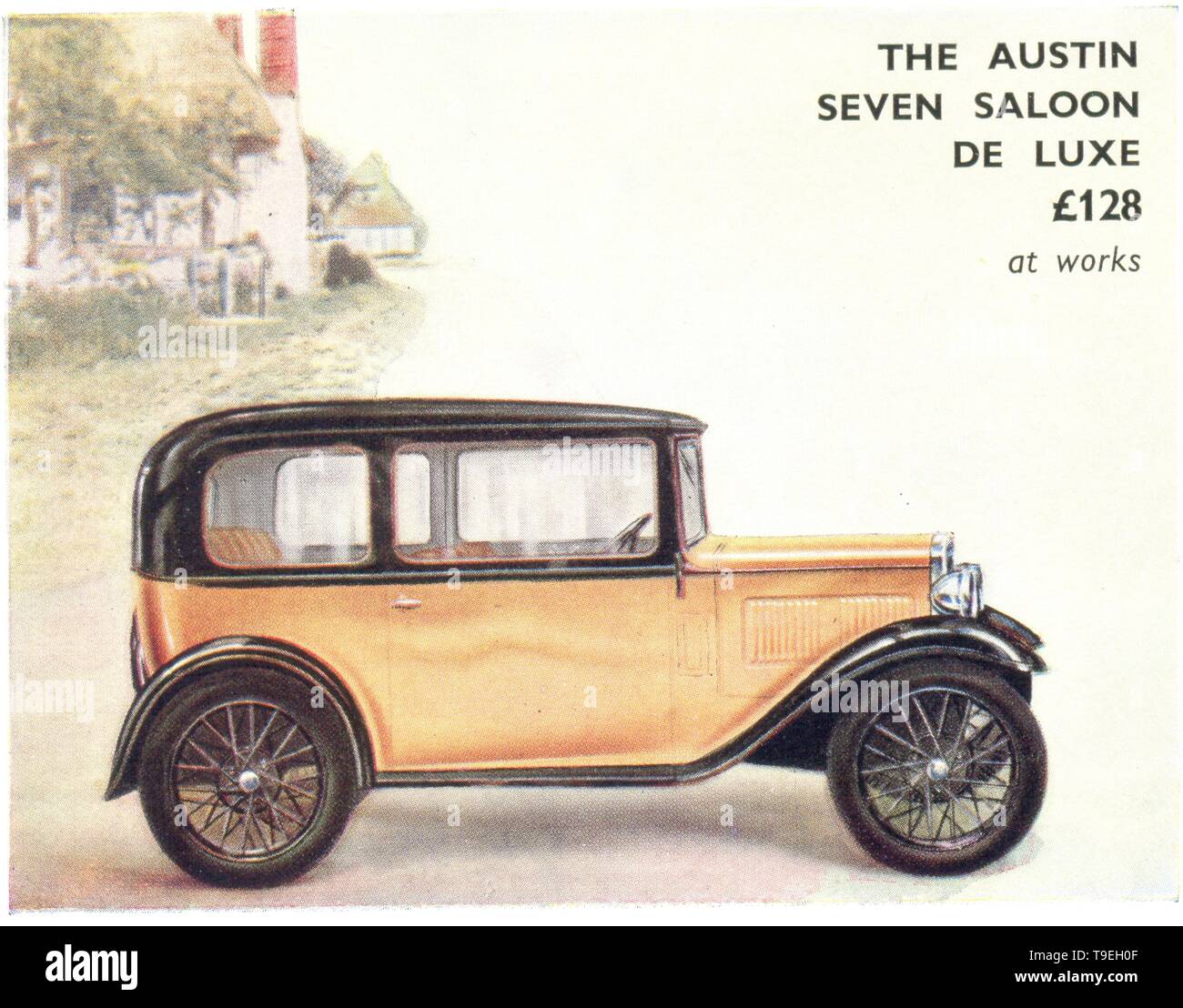
The Great Depression accelerated a critical shift: die-casting replaced tinplate as the industry standard. Foundries like Lesney Products (later Matchbox) and Meccano Ltd. injected molten zinc alloy into steel molds, creating heavier, more durable models with sharper details. This process slashed production time from hours to seconds per unit. By 1934, Dinky Toys’ die-cast Austin 7 Ruby saloon demonstrated how miniature vehicles could mirror real automotive styling cues like grille patterns and headlight bezels.
How World Events Forced Design Innovations
Material shortages during WWII redirected toy manufacturing toward military needs, but clever adaptations emerged:
– Aluminum rationing led to composite bodies using wood bases with metal fenders
– Rubber tire bans prompted celluloid or plastic wheel alternatives that cracked in sunlight
– Post-war recovery saw British firms repurpose aircraft aluminum for premium models
The 1950s collector boom began when Matchbox introduced the iconic 1-75 series in 1953. Each 2.5-inch vehicle featured:
– Working suspensions using coiled wire springs
– Opening hoods revealing simplified engine blocks
– Brand-specific liveries like Coca-Cola delivery vans
– Packaging designed for retail peg hooks instead of boxes
Parents paid 29 cents per car—equivalent to $3 today—making them impulse buys at grocery checkouts. This pricing strategy created the first mass-market collecting phenomenon, with children trading models like baseball cards.
Racing Culture and Material Wars Transform Play Patterns (1960s-1980s)
Two rival launches ignited the era’s defining battle: Matchbox’s Superfast line (1969) with low-friction wheels versus Hot Wheels’ “Spectraflame” models (1968) featuring urethane tires and spring suspensions. Mattel’s test driver, Elliott Handler, famously drove prototype Hot Wheels down office hallways to perfect wheel alignment—proving speed mattered as much as looks. Within 18 months, both brands sold over 100 million units globally by tapping into children’s obsession with televised auto racing.
Slot Cars Create the First Interactive Play System
Electric slot car racing kits like Aurora’s “Thunderjet 500” (1961) revolutionized play by:
– Using guide pins instead of metal rails for smoother cornering
– Allowing custom track layouts with banked curves and jump ramps
– Introducing “tuning” culture where kids modified motors for speed
– Generating $200 million in annual sales by 1965 (equivalent to $2 billion today)
When plastic injection molding advanced in the 1970s, manufacturers shifted from metal bases to full-plastic bodies. This reduced costs but alienated purists—the 1972 Matchbox Ford Pinto, while lighter, lacked the heft collectors associated with quality. Die-hard fans began preserving pre-1970 metal models, unknowingly launching the vintage collecting market.
Digital Age Collecting: From Nostalgia to Hyper-Realism (1990s-Present)
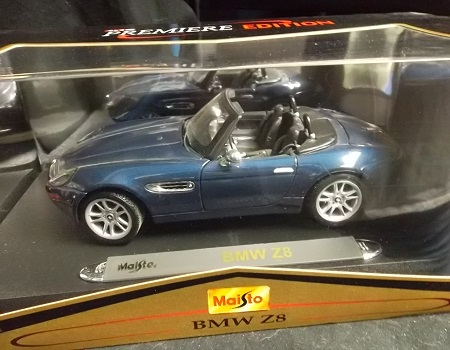
Computer-aided design (CAD) transformed miniature manufacturing precision after 1990. Brands like Maisto and Bburago scanned actual vehicles to achieve 99% scale accuracy, while Tamiya’s model kits included photo-etched metal parts mimicking real brake calipers. The biggest shift came from licensing: Pixar’s Cars (2006) generated $10 billion in merchandise, with 85% being die-cast replicas. Suddenly, toy cars targeted adults as much as children.
What Makes Modern Collectibles Valuable Today
Three factors determine current market value:
– Prototype rarity: Pre-production models like the 1993 Hot Wheels “Model A” fetch $20,000+ due to limited test runs
– Cultural relevance: Back to the Future DeLoreans command 300% premiums over standard releases
– Material authenticity: Zinc alloy models retain value better than plastic-heavy modern versions
Platforms like eBay and specialized apps (e.g., Wheel Watchers) now let collectors instantly verify production years through chassis markings. A 2023 study showed 68% of high-value transactions involve pre-1980 models, proving nostalgia drives the market more than new releases.
Spotting Authentic Vintage Toy Cars: Critical Visual Checks

Fakes flood online marketplaces, but genuine vintage pieces reveal authenticity through specific details. Before spending hundreds on a “rare” Dinky Toy, examine these often-overlooked features under magnification:
Essential Inspection Points
- Mold seams: Original die-cast models show crisp, straight seams along wheel wells; modern reproductions have irregular bumps
- Paint adhesion: Pre-1960s enamel paint chips cleanly along edges; newer acrylics peel in patches
- Wheel composition: 1950s models use metal-rimmed rubber tires; 1970s versions have solid plastic hubs
- Base markings: Genuine Matchbox bases from 1953-1968 say “England” without country codes; later “Hong Kong” versions include copyright symbols
Critical red flags include:
– Overly bright, unweathered paint on “vintage” models
– Wheels that spin too freely (original clockwork mechanisms had resistance)
– Packaging with modern barcode stickers covering original labels
One collector saved $3,200 by noticing reproduction Hot Wheels used metric measurements on chassis stamps—impossible for 1968 American-made models.
Building a Valuable Collection Without Breaking the Bank
You don’t need deep pockets to start a meaningful collection. Focus on attainable entry points that appreciate reliably. The key is understanding which segments offer growth potential versus fading trends.
Smart Starter Strategies
- Target “sleeper” models: 1970s Matchbox King Size trucks often sell under $20 but doubled in value since 2020
- Preserve original packaging: A common 1985 Hot Wheels Porsche 928 jumps from $15 to $320 in mint box
- Join verification communities: Diecast Collectors Club forums offer free authentication services
- Prioritize condition grades: Models rated “Near Mint” (NM 8.0) gain 25% annually versus “Good” (G 3.0)
Avoid these costly beginner mistakes:
– Overpaying for re-releases: Modern “vintage-style” Matchbox models lack investment value
– Ignoring maintenance: Store cars away from UV light—faded paint drops value by 40-70%
– Skipping documentation: Save receipts and provenance notes; uncertified pieces sell for 30% less
For under $100, build a foundation with 1972-74 Matchbox Superfast models (durable metal bases) or early 1990s Hot Wheels Redlines. These consistently outperform newer releases in value growth.
The history of toy cars reflects humanity’s enduring fascination with automotive culture in miniature form. From German tinplate workshops to digital design studios, each era solved material and manufacturing challenges that shaped how generations play and collect. While original factory records would deepen this narrative, the surviving models themselves tell a compelling story through their evolving craftsmanship. Today’s collectors preserve more than toys—they safeguard engineering milestones where play met precision. Whether you’re displaying a 1934 Dinky or a modern limited edition, you’re continuing a tradition where imagination meets miniature reality. Start with one authentic piece, learn its origins, and you’ll hold a tangible piece of innovation history that sparks curiosity across ages.