
Every parent knows the magic moment when a child’s eyes light up at the sight of a vibrant toy car. Red and yellow toy cars have remained perennial favorites across generations, capturing young imaginations with their bold colors and endless play possibilities. These primary-colored vehicles aren’t just visually stimulating for developing eyes—they represent excitement, energy, and the thrill of movement that children naturally gravitate toward. Whether you’re shopping for a toddler’s first push car or an older child’s detailed collector’s item, understanding what makes red and yellow toy cars special will help you select the perfect match for your child’s developmental stage and interests.
The psychology behind these color choices isn’t accidental—red stimulates energy and action while yellow promotes happiness and creativity. This powerful color combination creates toys that stand out in any playroom and withstand the test of changing trends. As you navigate the overwhelming selection of toy cars available today, this guide will help you identify quality construction, appropriate features, and safety considerations specific to red and yellow toy vehicles. You’ll learn how to evaluate materials, understand age-appropriate designs, and discover why these particular color combinations continue to dominate preschool classrooms and birthday wish lists worldwide.
Why Red and Yellow Toy Cars Dominate Early Childhood Play
The Science Behind Primary Color Appeal for Young Children
Children’s visual development progresses in stages, with high-contrast primary colors being the first hues they can distinguish clearly. Red and yellow provide maximum visual stimulation for developing eyes, making these toy cars particularly engaging for infants and toddlers. Research shows that babies as young as two months begin showing preference for these bold colors over pastels or muted tones. The stark contrast between red and yellow elements on toy cars creates clear visual boundaries that help children track movement more easily during play. This visual clarity supports crucial developmental milestones including hand-eye coordination, depth perception, and object permanence as children push, pull, and watch their colorful vehicles move through space.
How Color Psychology Influences Play Behavior
Red toy cars naturally encourage active, energetic play—children tend to push them faster and with more force, developing gross motor skills through enthusiastic movement. Yellow accents introduce an element of happiness and creativity, often leading to more imaginative scenarios during playtime. Observational studies in early childhood settings reveal that children playing with red and yellow vehicles engage in more cooperative play, likely because the bright colors are easily visible to multiple children across a play space. The color combination also supports emotional development; red helps children explore concepts of speed and excitement while yellow introduces feelings of joy and positivity. When selecting a toy, look for models that incorporate both colors in meaningful ways—such as a red body with yellow wheels or a yellow chassis with red detailing—to maximize these developmental benefits.
Selecting Age-Appropriate Red and Yellow Toy Cars
Best Options for Infants and Toddlers (6-24 Months)
For this youngest group, prioritize safety and sensory development with red and yellow toy cars featuring:
- Chunky, easy-to-grasp designs with no small parts
- Soft rubber or silicone wheels that won’t damage floors
- Textured surfaces in contrasting red and yellow patterns
- Rattles or crinkly elements incorporated into the design
- Rounded edges with no sharp corners
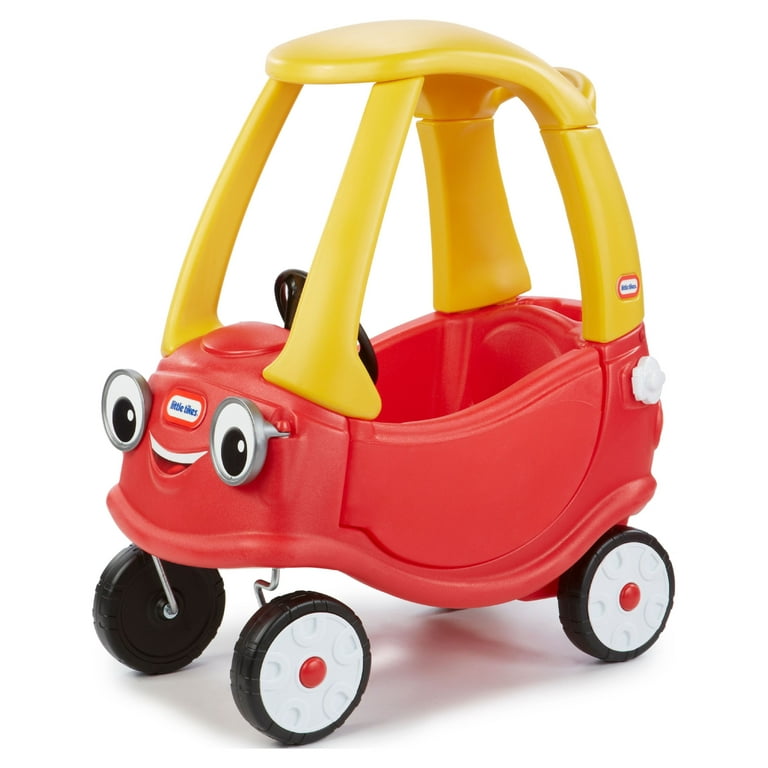
Look for push-along toys with wide bases that won’t tip easily, as these support walking development while providing visual tracking opportunities. The contrast between red and yellow elements should be bold and clear, helping babies focus on the moving object. Avoid battery-operated features for this age group, as simple cause-and-effect movement (push car, car moves) provides the most valuable learning experience. High-quality options typically feature non-toxic paints that withstand chewing, as many infants will explore the toy with their mouths during this developmental stage.
Preschool Selections (2-5 Years) That Encourage Imaginative Play
As children grow, their red and yellow toy car preferences evolve toward more detailed designs that support complex play scenarios. Ideal features include:
- Multiple moving parts (opening doors, rotating wheels, lift beds)
- Distinctive red and yellow color blocking that tells a story (fire truck, race car)
- Durable construction that survives rough outdoor play
- Scale consistency if collecting multiple vehicles
- Storage compartments for small accessories
Children at this stage begin assigning roles and narratives to their vehicles, so look for designs where the color scheme suggests purpose—a red fire truck with yellow ladders immediately communicates its function. Sets with multiple red and yellow vehicles encourage social play and sharing. Consider vehicles with storage solutions like trailers or beds that can carry other toys, expanding play possibilities. The most popular options feature realistic details like headlights, grilles, and authentic markings that children can point to and name as their vocabulary develops.
Safety Considerations for Vibrantly Colored Toy Cars
Evaluating Paint Safety and Material Quality
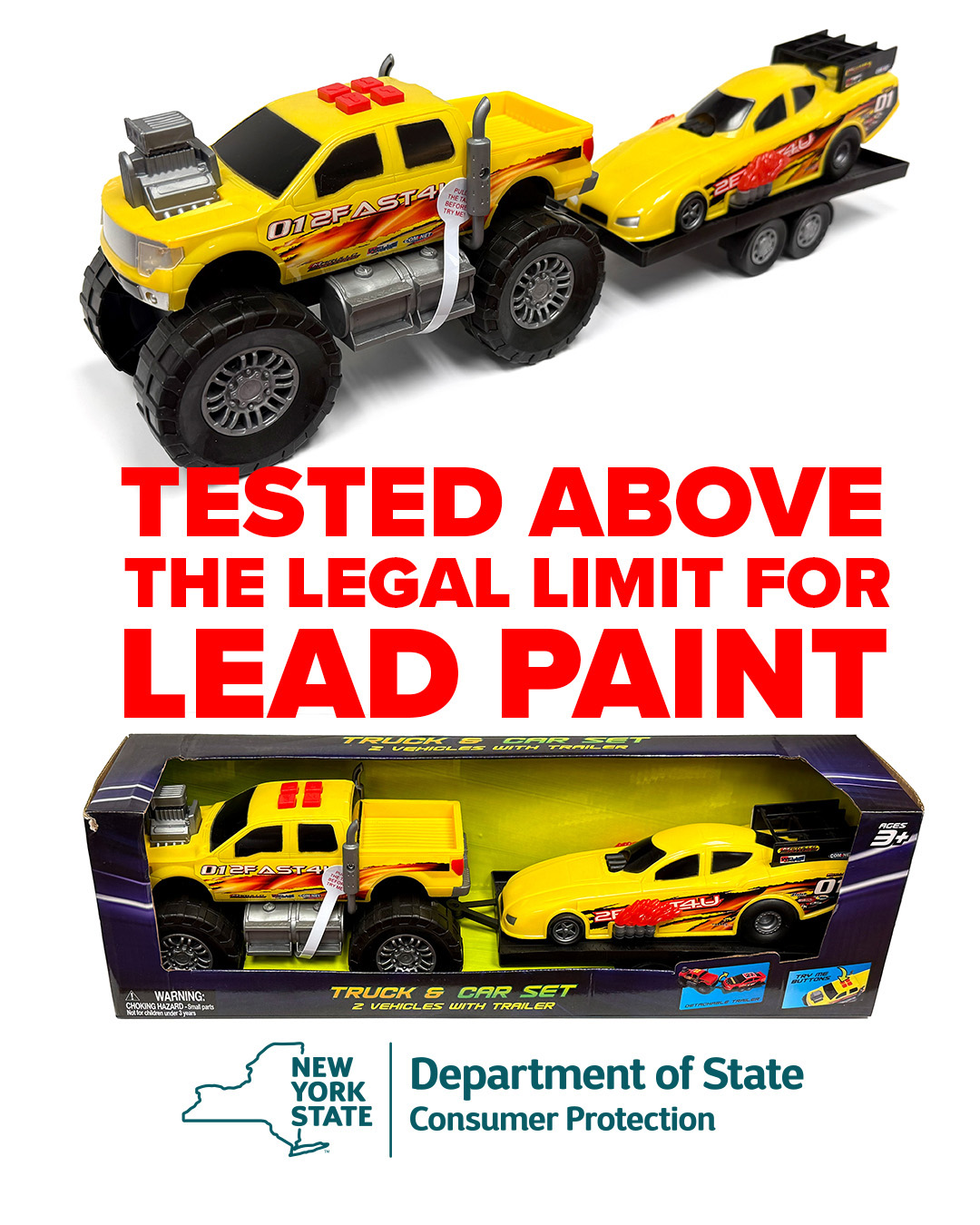
The bright red and yellow finishes on toy cars require special attention to safety standards. Always verify that:
- Paints meet or exceed ASTM F963 and CPSIA safety standards
- Colorants are lead-free and phthalate-free
- Finishes are thoroughly sealed to prevent chipping
- Materials are BPA-free and non-toxic
- Manufacturing follows ISO 8124 international safety guidelines
Look for certification marks from recognized safety organizations rather than relying on marketing claims. Higher quality red and yellow toy cars use pigments that remain vibrant without requiring excessive chemical binders. When examining a toy, run your fingers along painted surfaces to check for roughness or potential chipping points, especially where red and yellow sections meet. For younger children, choose toys where the color is molded into the plastic rather than painted on, eliminating any risk of ingestion from peeling finishes.
Wheel and Moving Part Safety Features to Verify
The dynamic nature of toy cars means special attention must be paid to moving components:
- Wheels should rotate freely but remain securely attached
- Axles must be completely enclosed to prevent finger injuries
- No pinch points where small fingers could get trapped
- Steering mechanisms should have limited rotation range
- Detachable parts must be larger than 1.75 inches in diameter
Examine how the red and yellow elements connect—poorly joined sections might separate during play, creating choking hazards. Test any folding or transforming features to ensure they operate smoothly without sudden movements. For outdoor use, verify that wheel materials won’t degrade in sunlight, which could cause colors to fade unevenly or materials to become brittle. The most durable options feature metal axles with plastic or rubber wheels that provide quiet indoor operation while maintaining outdoor durability.
Maximizing Educational Value Through Play
Developing Fine Motor Skills with Color-Coded Activities
Red and yellow toy cars provide excellent opportunities for structured learning activities:
- Create color sorting challenges (“Put all red cars here, yellow cars there”)
- Design obstacle courses requiring precise steering control
- Set up parking spaces labeled with color-coded numbers
- Incorporate counting games using multiple vehicles
- Develop pattern recognition with alternating red and yellow cars
These activities build crucial fine motor skills as children manipulate the vehicles through increasingly complex challenges. For children learning colors, the high contrast between red and yellow makes identification easier than with more similar hues. When selecting multiple vehicles, choose sets with varying shades of red (fire engine red, cherry red) and yellow (lemon yellow, gold) to help children develop nuanced color discrimination skills. Pair play sessions with descriptive language that reinforces color identification and positional concepts (“The red car is under the bridge,” “The yellow car is faster”).
Building Early STEM Concepts Through Vehicle Play
The physics of movement demonstrated by red and yellow toy cars naturally introduces foundational STEM principles:
- Experiment with ramps to explore gravity and momentum
- Compare how different wheel types affect movement on various surfaces
- Measure distances traveled with non-standard units (blocks, hands)
- Create simple machines using cars as moving components
- Document observations through drawings or simple charts
Children intuitively investigate cause and effect as they discover how harder pushes create faster movement or how surface texture affects wheel rotation. The distinct colors make it easier to track individual vehicles during comparative experiments. For deeper learning, incorporate elements that interact differently with red versus yellow cars—such as magnetic surfaces that attract certain vehicles but not others—creating natural opportunities for hypothesis testing and observation. These experiences build critical thinking skills while making abstract concepts tangible through familiar, engaging toys.
Maintaining Your Red and Yellow Toy Car Collection
Cleaning Methods That Preserve Vibrant Colors
Proper maintenance keeps red and yellow toy cars looking their best while extending their lifespan:
- Use mild soap and cool water for regular cleaning (hot water can fade colors)
- Avoid abrasive cleaners that remove protective finishes
- Dry thoroughly before storage to prevent color transfer between vehicles
- Store away from direct sunlight to prevent UV fading
- Address scuffs immediately with manufacturer-recommended touch-up products
For heavily soiled toys, create a paste of baking soda and water to gently remove stubborn marks without damaging paint. Never put toy cars in dishwashers or washing machines, as the intense heat and movement will accelerate color fading. When cleaning multiple vehicles, wash red and yellow ones separately to prevent color bleeding during the cleaning process. For fabric or sticker elements, use specialized toy cleaners that won’t damage adhesive properties. Regular maintenance not only preserves appearance but also ensures safety by keeping moving parts functioning properly.
Storage Solutions That Protect Color Integrity
How you store red and yellow toy cars significantly impacts their long-term appearance:
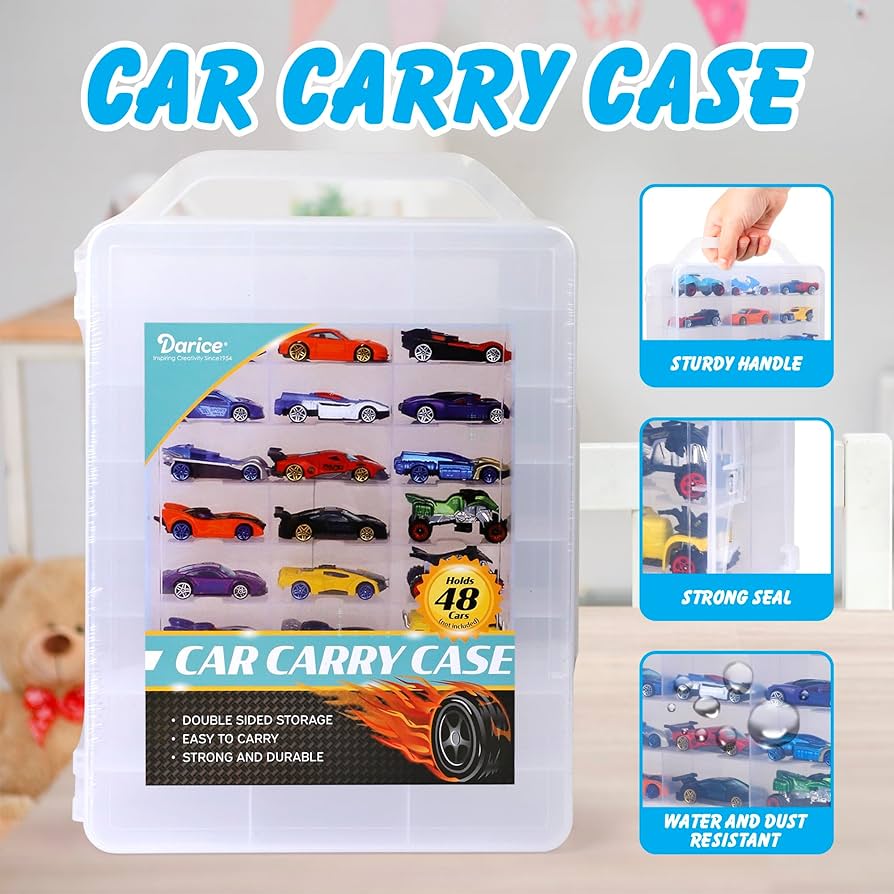
- Use acid-free storage containers to prevent chemical reactions with paint
- Separate red and yellow vehicles to avoid color transfer
- Include silica gel packets to control humidity
- Store in climate-controlled environments away from temperature extremes
- Rotate displayed vehicles to minimize light exposure for any single toy
For collectors or special occasion toys, consider UV-protective display cases that block harmful rays while showcasing the vibrant colors. When stacking vehicles, place tissue paper between layers to prevent scratching. For children’s everyday toys, opt for open storage solutions that allow easy access while keeping vehicles organized by color—this supports both preservation and encourages color-based cleanup habits. Proper storage maintains not just appearance but also the educational value of the distinct color coding that makes these toys so developmentally beneficial.
When to Replace Worn Red and Yellow Toy Cars
Even with proper care, toy cars eventually show signs of wear that affect both safety and play value. Look for these indicators that it’s time for replacement:
- Significant fading that makes color distinction difficult
- Cracks or breaks in structural components
- Wheels that no longer rotate smoothly
- Paint chipping that creates rough surfaces
- Missing parts that create choking hazards
As children grow, their play needs evolve, so consider upgrading to more complex red and yellow vehicle options that match their developing skills. The transition from simple push cars to detailed collector models represents important developmental milestones worth celebrating. When retiring well-loved toys, involve children in the replacement process by letting them help select the next stage of red and yellow vehicles that will support their continuing growth and imagination.