
That dusty box of childhood Hot Wheels might be worth more than you think. While vintage cars can fetch hundreds—or even thousands—of dollars, determining real value requires navigating a complex collector’s market where condition, rarity, and specific variations create dramatic price swings. This comprehensive Hot Wheels value guide breaks down exactly how to identify, assess, and maximize the value of your collection using proven methodologies from the hobby’s most trusted resources.
Whether you’ve stumbled across a garage sale treasure or you’re systematically cataloging decades of collecting, understanding current market dynamics versus historical pricing forms the foundation of smart collecting decisions. Let’s dive into the essential framework that serious collectors use to separate common cars from six-figure finds.
Identify Your Most Valuable Hot Wheels Models

Redline Era Treasure Hunt (1968-1977)
The earliest Hot Wheels, distinguished by their distinctive red stripe tires, represent the holy grail of collecting. These original 16 models launched in 1968, nicknamed the “Sweet 16,” regularly command premium prices when found in excellent condition. The Custom Camaro, Custom Mustang, and Custom Firebird lead value charts from this era, particularly first-run versions with specific paint colors and wheel variations.
Key identifying features include:
– Spectraflame paint: Metallic, candy-like finish versus later flat colors
– Redline wheels: Thin red stripe around tire perimeter
– Metal bases: Heavy die-cast construction versus later plastic
– “Made in Hong Kong”: Earlier production markings
Treasure Hunt Series (1995-Present)
Launched in 1995, Treasure Hunt cars feature special paint and wheel combinations produced in limited quantities. Each annual series contains 12 regular Treasure Hunts plus one super variant—the latter being 10,000 times rarer than standard models. These cars typically display “TH” somewhere on the vehicle and come packaged on distinctive cards with flame graphics.
Super Treasure Hunt Indicators
Super versions feature:
– Real Rider rubber tires instead of standard plastic
– Spectraflame paint reminiscent of vintage finishes
– TH logo somewhere on the car (often subtle)
– “Super” on the card behind the car
Decode the Professional Condition Rating System

Mint Condition Requirements
The difference between “near mint” and “mint” can represent hundreds of dollars. Professional grading services use strict criteria:
C10 (Mint): Perfect paint, no visible flaws, crisp tampos, flawless windows and base. Must appear factory-fresh with zero play wear.
C9 (Near Mint): Minor imperfections visible only under close inspection—perhaps a tiny paint chip or slight wheel wear. Still displays beautifully but not flawless.
C8 (Excellent): Play wear evident but minimal—small chips, minor wheel scuffs, or slight card bending if packaged. Most collected cars fall here.
Common Damage Points That Destroy Value
- Rivet rash: Circular scratches around base rivets from opening
- Chipped paint: Particularly on high points like fenders and roof edges
- Window fogging: Age-related yellowing or cloudiness
- Wheel wear: Flat spots from heavy play use
Understand Price Guide Limitations in Modern Collecting
Historical vs Current Values
The 1992 Tomart’s Price Guide established baseline pricing for vintage models, but collector markets evolve rapidly. Today’s values often exceed those estimates significantly for rare variations, while common models may have depreciated. Use historical guides as identification tools rather than pricing bibles.
According to the Tomart’s Price Guide to Hot Wheels Collectibles, the publication functions as both a visual catalog and pricing reference, containing extensive photographic documentation alongside monetary valuations. However, users should recognize the inherent limitations in maintaining current pricing due to the dynamic nature of collectible markets.
Example disparities:
– 1992 guide: $400 for purple 1971 Olds 442
– Current market: $1,200+ for same car in C10 condition
– 1992 guide: $15 for common 1977 Firebird
– Current market: $5-10 due to overproduction
Regional Market Variations to Consider
Prices fluctuate dramatically by geography. West Coast markets typically command premiums for surf culture models like the Beach Bomb, while East Coast collectors pay more for muscle cars. International markets, particularly in Asia, have driven prices for certain variations beyond domestic norms.
Spot Counterfeit Hot Wheels Before You Buy
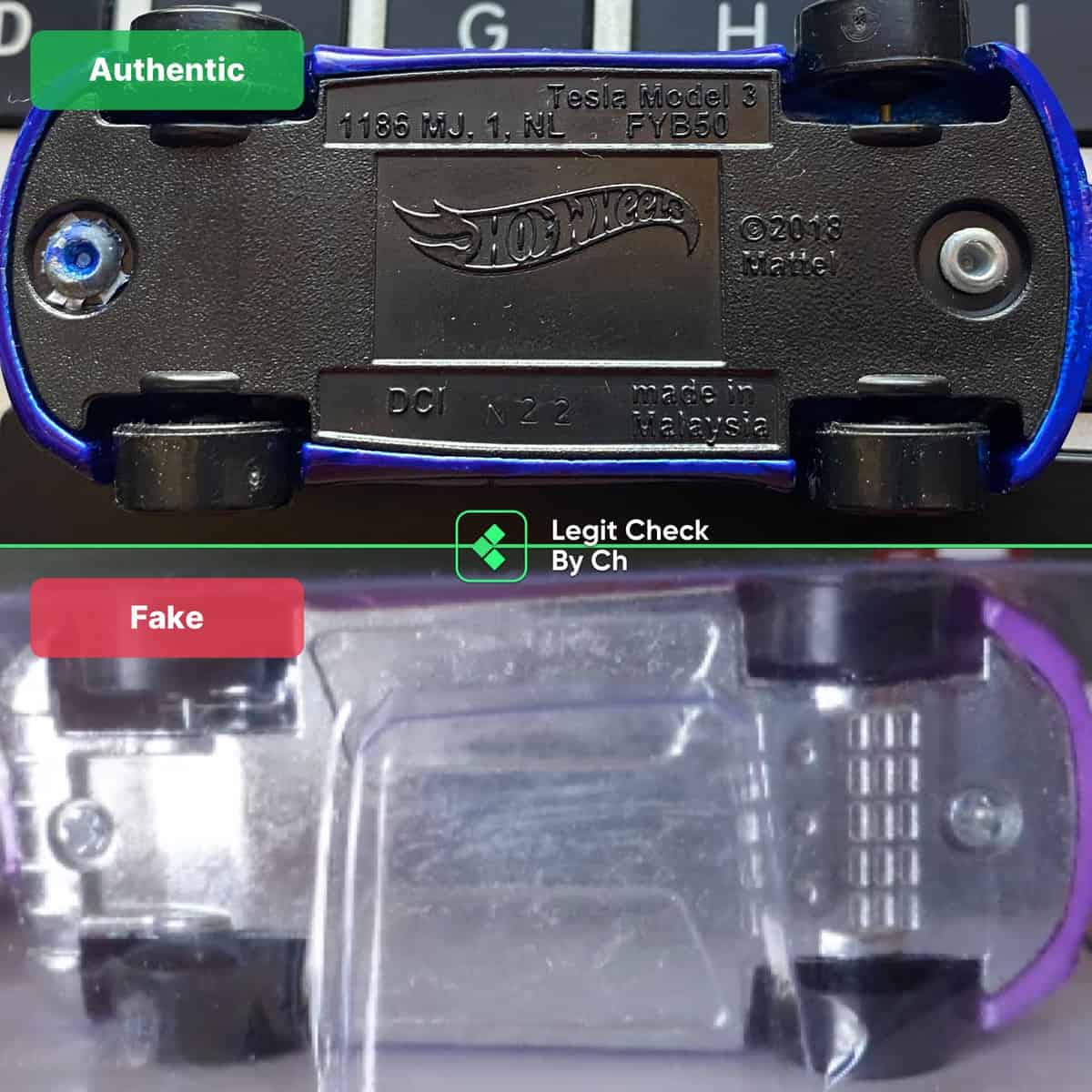
Base Identification Tricks That Experts Use
Authentic vintage cars have specific base markings that forgers often miss. Check for:
– Correct font for era-specific “Made in Hong Kong” or “USA” stamps
– Proper rivet placement and size
– Metal composition—vintage cars have heavier zinc alloy bases
Paint Analysis Methods for Authentication
Original Spectraflame paint has depth and metallic flake that’s nearly impossible to replicate perfectly. Counterfeits often appear:
– Too uniform in metallic distribution
– Lacking depth compared to authentic candy-like finish
– Wrong hue for specific color variations
Essential Tools for Accurate Hot Wheels Valuation
Magnification Requirements for Detail Inspection
Serious collectors invest in quality magnification to spot details affecting value. A 10x jeweler’s loupe reveals:
– Tampo printing quality (factory versus aftermarket)
– Paint texture differences between original and repaints
– Wheel variations within the same model year
Weight Comparison Techniques
Authentic vintage cars have consistent weight ranges. A precision scale helps identify:
– Reproduction bodies with lighter metal compositions
– Missing internal components like metal weights
– Aftermarket modifications like added weight for racing
Quick Assessment Checklist for Your Collection
2-Minute Evaluation Process
- Check wheels – Redlines or Real Riders indicate potential value
- Inspect base – Look for country of manufacture and copyright dates
- Assess paint – Spectraflame finish suggests vintage premium
- Examine condition – Major flaws dramatically impact value
- Research variations – Small details create big price differences
Red Flags That Destroy Collector Value
- Over-cleaning reduces value significantly
- Repainted cars lose 90% of collector value
- Replaced wheels make identification difficult
- Modified bodies appeal only to customizers
Online Research Strategies That Reveal True Market Value
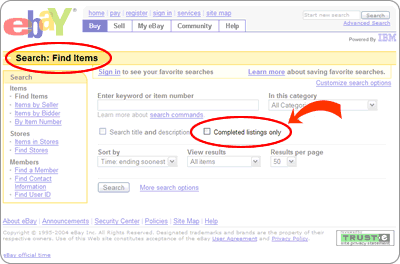
eBay Completed Listings Analysis
Filter by “sold” listings only to see actual market values, not aspirational asking prices. Focus on:
– Condition matches to your car
– Recent sales within 90 days
– Multiple examples to establish ranges
– Auction versus Buy It Now price differences
Collector Forum Intelligence Gathering
Active communities like Redline Club forums and Facebook groups provide:
– Real-time market updates
– Authentication assistance from experts
– Regional market insights
– Trading opportunities outside commercial platforms
Maximizing Your Collection’s Value Through Smart Decisions
Strategic Selling Timing for Maximum Returns
Market timing significantly impacts returns. Consider:
– Holiday seasons when gift buying increases
– Anniversary releases driving nostalgia purchases
– Economic downturns creating buying opportunities
– Convention seasons when collectors concentrate
Grading Investment Decisions That Pay Off
Professional grading costs $25-50 per car but can increase value 200-500% for high-grade examples. Worth considering for:
– Vintage Redlines in exceptional condition
– Super Treasure Hunts with perfect cards
– Prototype or pre-production models
– Complete sets in original packaging
Your Hot Wheels collection’s value ultimately depends on accurate identification, honest condition assessment, and understanding current market dynamics. While vintage guides like Tomart’s Price Guide provide historical context, today’s market rewards those who combine traditional knowledge with modern research tools and community insights.
Remember that the Tomart’s guide serves as “the bible of the Hot Wheel world” for identification purposes, but its pricing data should be used as general guidance rather than absolute values. Supplement it with current market research for precise valuations and consider it as historical reference rather than real-time pricing tool.
Start with the cars you have, learn the identification markers, and gradually build expertise through hands-on experience and collector connections. The next treasure might already be sitting in your collection—waiting for you to recognize its true worth. This Hot Wheels value guide gives you the framework to transform that dusty box of childhood memories into a valuable asset with proper identification and assessment.