
Nothing sparks a child’s imagination quite like a handmade car toy that rolls smoothly across the floor, carrying stories of adventure and creativity. Learning how to make car toys at home offers parents, educators, and hobbyists an accessible craft project that combines woodworking, basic engineering, and artistic expression. Whether you’re crafting a simple wooden push car for a toddler or designing a more complex pull-back mechanism for an older child, the satisfaction of creating functional playthings with your own hands is unmatched by store-bought alternatives. This guide provides practical, step-by-step instructions for constructing car toys using readily available materials, ensuring your creations are both durable and engaging. You’ll discover how to transform basic supplies into personalized vehicles that spark hours of imaginative play while developing valuable skills in design and construction.
Select the Right Car Toy Design for Your Skill Level
Choosing an appropriate car toy design prevents frustration and ensures successful completion of your project. The complexity of car toys ranges dramatically, and matching your project to your available tools, materials, and experience level makes the difference between a satisfying creation and an abandoned half-finished project.
Build a toddler-friendly wooden push car if you’re new to toy making or working with young children. These non-mechanical vehicles require only basic cutting, sanding, and assembly skills, making them perfect first projects that can be completed in a single afternoon. The simple design focuses on smooth rolling action and safe, splinter-free construction that withstands toddler handling.
Create a pull-back mechanism car when you’re ready to add mechanical interest without complex electronics. These toys store energy in a spring when pushed backward, then release it to propel the car forward—a captivating feature that delights children while teaching basic physics concepts. This intermediate project requires slightly more precise construction but still uses common household materials.
Skip complex RC builds until you’ve mastered simpler designs. While remote-controlled cars offer exciting possibilities, their electronic components, wiring requirements, and troubleshooting challenges often overwhelm beginners. Focus first on mechanical principles before adding the complexity of motors, batteries, and radio signals to your toy-making repertoire.
How do I determine if my child is ready for a particular car toy?
Consider your child’s age, developmental stage, and play preferences when selecting a car toy design. Toddlers benefit most from large, simple push cars with no small parts, while preschoolers enjoy pull-back mechanisms that add cause-and-effect learning. School-age children appreciate more detailed designs they can personalize with paint and decorations. Always prioritize safety by ensuring no small parts could become choking hazards and that all edges are thoroughly sanded smooth.
What materials work best for different age groups?
Wood remains the safest, most durable material for young children’s car toys, while older kids can enjoy more detailed designs incorporating plastic components. For toddlers, use thick (½-inch or more) plywood that won’t break under rough play. Preschoolers can handle lighter woods with more detailed shapes, while school-age children might enjoy assembling kits with smaller parts that teach precision and attention to detail.
Gather Essential Tools Before Starting Construction

Having the right tools organized and ready before beginning your car toy project saves time, prevents mistakes, and ensures professional-looking results. The specific tools required vary based on your chosen design, but certain essentials apply to nearly all car toy construction projects.
Essential woodworking tools include a hand saw or jigsaw for cutting shapes, a drill with various-sized bits for axle holes, sandpaper in multiple grits (80, 120, and 220), wood glue for strong bonds, and clamps to hold pieces securely during assembly. A simple ruler, pencil, and square help with accurate measurements and marking before cutting.
Wheel and axle components form the critical rolling mechanism of any car toy. Wooden dowels cut to size work well for axles, while wheels can be purchased pre-made, cut from thicker wood, or repurposed from broken toys. For smooth rolling action, select wheels with minimal wobble and ensure axle holes are drilled straight through your chassis.
Safety equipment protects both builder and future player. Safety glasses prevent wood chips from entering eyes during cutting and sanding, while a dust mask keeps sawdust out of your respiratory system. Keep a first-aid kit nearby for minor cuts, and ensure children remain at a safe distance during power tool operation.
What’s the minimum tool set for a first-time builder?
You can create a basic wooden car toy with just five essential tools: a hand saw for cutting shapes, a drill with one appropriately sized bit for axles, medium and fine sandpaper, wood glue, and a small clamp or heavy book to hold pieces while drying. This minimal setup allows you to complete simple push cars while keeping initial investment low before committing to more advanced projects.
Build a Simple Wooden Push Car in Under Two Hours
Creating a basic wooden push car provides immediate satisfaction for first-time toy makers while producing a durable plaything that withstands toddler handling. This project requires minimal materials, basic tools, and approximately two hours of working time—perfect for weekend crafting sessions with children.
Begin by designing your car shape on paper before cutting any wood. A classic sedan profile works well for beginners: approximately 8 inches long, 4 inches wide, and 4 inches tall creates a substantial toy that’s easy for small hands to grasp. Draw the side profile showing the wheel placement and cabin shape, then transfer this pattern to your wood using carbon paper or by tracing around the paper template.
Cut two identical side panels from ½-inch plywood using your hand saw or jigsaw. Work slowly along your traced lines to maintain accuracy, especially around curves. Once both sides are cut, sand all edges thoroughly, starting with 80-grit paper to remove rough spots and finishing with 220-grit for a splinter-free surface that’s safe for children.
Create wheel wells by marking axle positions on your side panels—typically about 1 inch from each end. Cut semi-circular notches at these points large enough to accommodate your wheels with about ¼-inch clearance above and below. Alternatively, mount wheels externally using small brackets, which simplifies construction but creates a different aesthetic.
Assemble the car body by gluing the side panels to a bottom chassis piece cut from the same plywood. Apply wood glue to the edges, clamp securely, and wipe away excess with a damp cloth. Allow the glue to dry completely (at least two hours) before proceeding to wheel installation.
Install wheels by drilling straight axle holes through the wheel well areas. Thread wooden dowel axles through these holes, add wheels on each end, and secure them with small nails or pins that fit into pre-drilled holes in the axle ends. Test the rolling action on a smooth surface before adding final decorations.
Add Realistic Details That Enhance Play Value
Personalizing your handmade car toys with realistic details transforms basic constructions into engaging playthings that spark imagination and extend playtime. These finishing touches require minimal additional materials but dramatically increase the visual appeal and storytelling potential of your creations.
Create authentic-looking windows using clear plastic from beverage bottles or packaging. Cut pieces to match your window openings, then attach with clear silicone adhesive for a permanent bond or small screws for removable panels. For curved windshields, gently heat the plastic with a hair dryer until pliable, then form it over a bottle or can to create the desired curve.
Design custom wheels and tires that add visual interest and improve functionality. Wrap rubber bands around wooden wheels to create realistic tire treads, or use metal bottle caps as hubcaps by painting them chrome and securing with strong adhesive. For more advanced builders, purchase pre-made rubber tires designed for model cars to achieve professional-looking results.
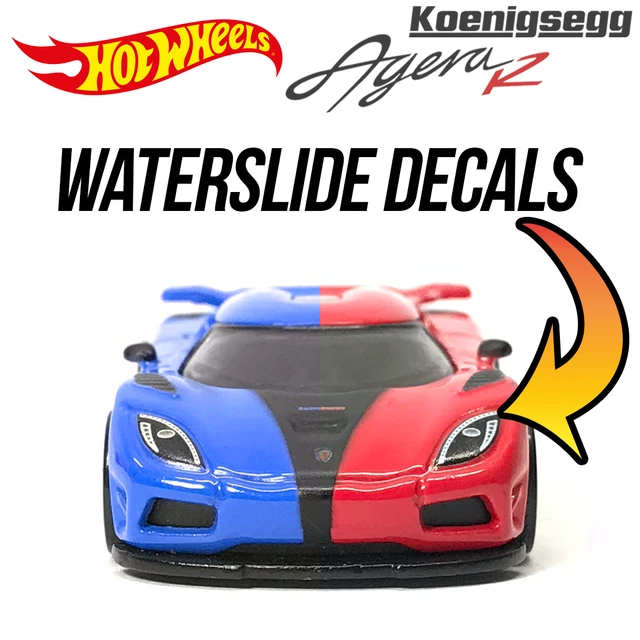
Apply racing numbers and decals that give your car toy personality and identity. Create custom decals using white address labels printed with your designs, then seal with clear tape for durability. Simple pinstripe tape from craft stores adds racing stripes and creates backgrounds for numbers without requiring advanced painting skills.
How can I make headlights that look realistic?
Paint small circles of wood or plastic with chrome-colored paint for reflective headlights, or use tiny LED lights powered by coin batteries for working headlights. For taillights, apply red translucent plastic or paint small circles with red permanent marker. Position these details carefully to match realistic car proportions—headlights typically sit just below the hood line and toward the outer edges of the front end.
Maintain Your Handmade Car Toys for Long-Lasting Play

Proper maintenance extends the life of your homemade car toys, ensuring they remain safe, functional, and enjoyable through months or even years of play. Regular inspection and simple repairs prevent minor issues from becoming major problems that could end a toy’s useful life.
Check wheel alignment weekly by rolling your car toy across a smooth, flat surface. If it veers consistently to one side, the axles may be misaligned or wheels unevenly attached. Loosen the affected wheel hardware slightly, adjust the wheel position until rolling straight, then retighten securely.
Refresh loose joints immediately by applying a small amount of wood glue to separating seams. Clamp the joint until dry, then sand and repaint if necessary. Ignoring loose connections leads to broken parts and potential safety hazards from sharp edges or small detached pieces.
Touch up paint wear regularly before scratches deepen or expose bare wood. Sand the affected area lightly, apply matching paint in thin coats, and finish with clear sealant to protect the repair. Maintaining the protective finish prevents moisture damage and keeps toys looking new longer.
When should you replace wheels versus repairing them?
Replace wheels showing significant cracks, warping, or uneven wear that affects rolling performance. Minor wheel issues like small chips or surface scratches can often be sanded smooth and repainted. If wheels have become loose on axles, try adding a tiny drop of glue to secure them—just enough to hold without preventing rotation.
Creating car toys at home blends creativity with practical skills, resulting in personalized playthings that carry the unique satisfaction of personal craftsmanship. By starting with simple wooden push cars and gradually advancing to more complex designs with mechanical features, you’ll develop valuable skills while producing toys that spark imagination and hours of play. Each car toy you make builds confidence and expertise for increasingly ambitious projects, turning what begins as a simple craft into a rewarding hobby that connects generations through shared creativity. Gather your basic tools, select a beginner-friendly design, and discover the joy of making car toys that roll, race, and bring smiles to young faces—proof that sometimes the best toys are the ones made with your own hands.