Your Hot Wheels cars seem sluggish on the track while others blaze past with impressive speed. That frustrating gap between your stock models and those lightning-fast racers isn’t due to magic—it’s the result of strategic speed modifications that reduce friction, optimize weight, and improve aerodynamics. The good news is you don’t need professional tools or engineering degrees to transform your ordinary Hot Wheels into track-dominating speed machines. This guide reveals the exact modifications serious collectors and competitive racers use, broken down into actionable steps you can implement immediately regardless of your skill level.
Most stock Hot Wheels lose precious speed through three critical areas: high-friction wheel systems, unnecessary weight, and drag-inducing body designs. By methodically addressing each of these factors, you’ll see dramatic improvements in performance. Whether you’re preparing for your first race or simply want to maximize your collection’s potential, these proven techniques will help you squeeze every ounce of speed from your miniature racers.
Precision Wheel and Axle Upgrades for Maximum Speed

Swap Out Stock Axles for Performance Models
Stock Hot Wheels axles create unnecessary friction that kills speed. Replacing them with polished stainless steel or brass axles can reduce rotational resistance by up to 40%. Start by carefully removing wheels using needle-nose pliers, then extract the old axle with a thin rod. Thoroughly clean the axle holes with alcohol before inserting your new precision axle, ensuring perfect alignment. Test your work by spinning the wheels—they should rotate freely for at least 15 seconds on a flat surface. This simple swap delivers one of the most significant speed improvements you can make without specialized tools.
Install Low-Friction Wheel Bearings
Standard Hot Wheels rely on plastic wheels riding directly on metal axles, creating constant sliding friction. Upgrading to ceramic or Teflon wheel bearings transforms this into rolling contact, potentially increasing top speed by 25-30%. Pay close attention to bearing alignment during installation—just 0.5mm of misalignment creates enough drag to negate your performance gains. Ensure bearings sit perfectly flush against the wheel hubs for optimal results. This modification requires precision but delivers noticeable speed improvements on both straightaways and curves.
Perfect Your Surface Finish with Micro-Polishing
Create near-frictionless contact points by polishing axle and wheel bore surfaces to mirror-like smoothness. Begin with 2000-grit sandpaper to remove microscopic imperfections, then follow with metal polish for a flawless finish. This micro-polishing technique reduces the tiny bumps that create resistance at high speeds. Take your time with this step—each wheel and axle pair deserves individual attention. The difference between standard factory finishes and properly polished surfaces can mean the difference between winning and losing close races.
Strategic Weight Management for Optimal Performance

Targeted Material Removal for Weight Reduction
Most Hot Wheels carry 15-20% unnecessary weight in non-structural areas. Carefully disassemble your car and identify excess material in the interior plastic sections, around wheel wells, and in non-essential decorative elements. Use precision tools to gradually remove material while frequently checking weight on a digital scale. Never compromise structural integrity—avoid removing material from axle mounts or body mounting points. Your target weight range for most models is 35-45 grams, but test different weights to find your car’s sweet spot.
Perfect Weight Distribution for Track Dominance
After reducing overall weight, strategically reposition remaining mass for optimal balance. Place small lead weights or tungsten putty near the rear axle to maximize traction without creating excessive drag. Test your balance by rolling the car down a slight incline—it should track straight for at least six feet without veering. Proper weight distribution prevents speed-sapping instability at high velocities while maintaining enough traction to power through curves. This subtle adjustment often makes the difference between consistent performance and unpredictable handling.
Aerodynamic Enhancements That Cut Drag
Streamline Body Surfaces for Cleaner Airflow
Create smoother airflow around your Hot Wheels by filling gaps and smoothing transitions between body panels. Use modeling putty to seal windows flush with the body, fill panel gaps and seams, and round sharp edges that create turbulence. Consider lowering the ride height by 1-2mm to reduce the air pocket beneath the car. These subtle modifications significantly reduce air resistance at racing speeds, where even minor aerodynamic improvements translate to measurable time savings on the track.
Eliminate Drag-Inducing Features
Identify and remove elements that catch air at high speeds. Trim protruding mirrors flush with the body, remove plastic spoilers unless they’ve been proven functional for your specific track, and consider lowering the roof height by carefully sanding top surfaces. Tuck wheels slightly into wheel wells to minimize air disruption. Use a simple wind tunnel test with a hair dryer and smoke pencil to visualize airflow patterns—smooth, attached flow indicates good aerodynamics, while turbulent or separated flow reveals areas needing additional attention.
Friction-Fighting Lubrication Techniques
Choose the Right Lubricants for Maximum Effect
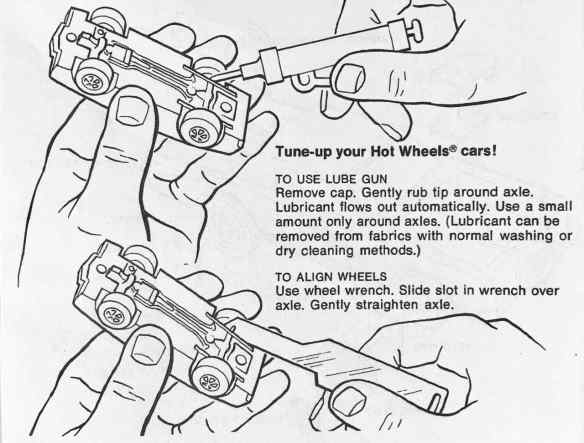
Avoid standard oils that attract dust and create more problems than they solve. Instead, use graphite powder for axle-wheel contact points, Teflon spray for metal-on-metal connections, silicone-based lubricants for plastic components, and dry film lubricants for long-lasting performance. Each lubricant serves a specific purpose—using the wrong type can actually increase friction. Apply lubricants sparingly; if you can see the lubricant on the surface, you’ve used too much.
Perfect Your Lubrication Application Method
Clean all contact surfaces with alcohol before applying lubricant. Use a pin-head sized amount on each contact point, then work it in by spinning wheels 20-30 times. Wipe away any excess with a lint-free cloth and allow 2-4 hours for curing before testing. Reapply lubricants every 20-30 runs or when performance noticeably drops. Create a maintenance log tracking runs between applications for each car—this helps you establish an optimal maintenance schedule for your specific modifications.
Track-Specific Tuning Strategies
Customize Modifications for Different Track Types
Different tracks demand different performance characteristics. For straight tracks, focus on weight reduction and aerodynamics to maximize top speed. On curved tracks, emphasize stability and magnetic downforce to maintain speed through turns. For hill climbs, maximize weight near the rear axle to improve traction on inclines. The most competitive racers maintain multiple modified versions of popular models, each optimized for specific track configurations. This targeted approach yields better results than a one-size-fits-all modification strategy.
Implement a Testing and Benchmarking System
Create consistent testing conditions using a 6-foot straight track section with precise start and finish lines. Time runs using slow-motion video (240fps minimum) and calculate speed by dividing distance by time. Establish a performance baseline by recording and averaging five runs before any modifications. Track your results in a simple spreadsheet noting modification types, speed changes, weight adjustments, and handling characteristics. This data-driven approach prevents guesswork and helps you identify which modifications deliver the most significant performance gains.
Avoid These Common Speed Modification Mistakes
Over-modification can destroy your car’s performance. Removing too much weight compromises structural integrity—a broken car runs at zero speed. Crooked axles create tracking problems that sap speed; always verify alignment with a straight edge before final assembly. Not all aftermarket parts improve performance—some “upgrade” wheels actually increase rolling resistance, so test new components against your baseline before permanent installation. Remember that excessive lubrication attracts dust and debris, creating more friction than it solves.
Final Speed Optimization Checklist
Before declaring any car “race-ready,” verify these critical elements: all four wheels should spin freely for 15+ seconds, the car must track straight for at least six feet, weight should fall within the 35-45g range, there should be no visible wobble or vibration at speed, and performance must remain consistent across 10+ test runs. Making Hot Wheels faster combines physics, precision, and patience—start with basic wheel and axle improvements, then gradually work toward advanced refinements. Track your results meticulously, as what works for one model might not translate to another. Your fastest car will likely result from 5-7 carefully planned modifications rather than any single dramatic change, transforming ordinary diecast cars into extraordinary speed machines that dominate any track they encounter.