
Watching toy cars get shredded sparks pure joy for many children, transforming ordinary playtime into an exciting sensory experience. This unique play pattern—where miniature vehicles undergo dramatic “destruction” through specialized mechanisms—has captured kids’ imaginations worldwide. Shredding toy cars isn’t just about destruction; it’s a developmentally rich activity that combines cause-and-effect learning with emotional processing. Whether you’re dealing with a dedicated shredding toy set or your child has incorporated crushing scenarios into their existing play, understanding how to facilitate this safely while maximizing educational value is crucial for parents and caregivers.
The fascination with shredding toy cars taps into fundamental developmental needs. Children naturally explore transformation concepts through play, and watching an intact vehicle become fragmented provides immediate, tangible feedback about change. This multi-sensory experience delivers satisfying auditory crunches, visual transformations, and tactile engagement that many kids find irresistible. By embracing this play pattern with proper guidance, you can turn what might seem like simple destruction into meaningful developmental opportunities that build motor skills, emotional regulation, and creative thinking.
Why Toddlers Love Shredding Toy Cars (And What It Means)
The Science Behind Destruction Play
Shredding toy cars satisfies children’s innate curiosity about cause and effect in ways few other activities can match. When a miniature vehicle enters a shredding mechanism and emerges transformed, kids witness concrete evidence of their actions creating change—a powerful learning moment. This immediate visual and auditory feedback reinforces their understanding of physics principles like force, motion, and material properties without them even realizing they’re learning.
Beyond cognitive development, shredding toy cars serves as an emotional pressure valve for young children who lack sophisticated verbal skills. The controlled destruction of objects allows them to safely express and process complex feelings like frustration or anger. When your child deliberately feeds a toy car into a shredder, they’re often working through emotions in a socially acceptable way, gaining mastery over their environment through manageable destruction.
Recognizing Healthy vs. Problematic Shredding Play
While shredding toy cars typically represents normal developmental play, certain red flags warrant attention. Healthy shredding play features imaginative narratives (“This car is getting recycled into a spaceship!”) and maintains clear boundaries between toys and real-world objects. Problematic patterns emerge when destruction becomes the sole focus of play, targets living things, or escalates to damaging property beyond designated toy cars.
Monitor whether your child can transition smoothly to other activities after shredding sessions. Children engaged in healthy play will happily move to building blocks or drawing afterward, while those fixated on destruction may resist redirection. Most importantly, observe if shredding toy cars serves as emotional regulation—if your child consistently calms down after these sessions, it’s likely serving a positive developmental function.
Choosing Crash-Tested Shredding Toy Cars for Young Children
Safety-First Selection Checklist
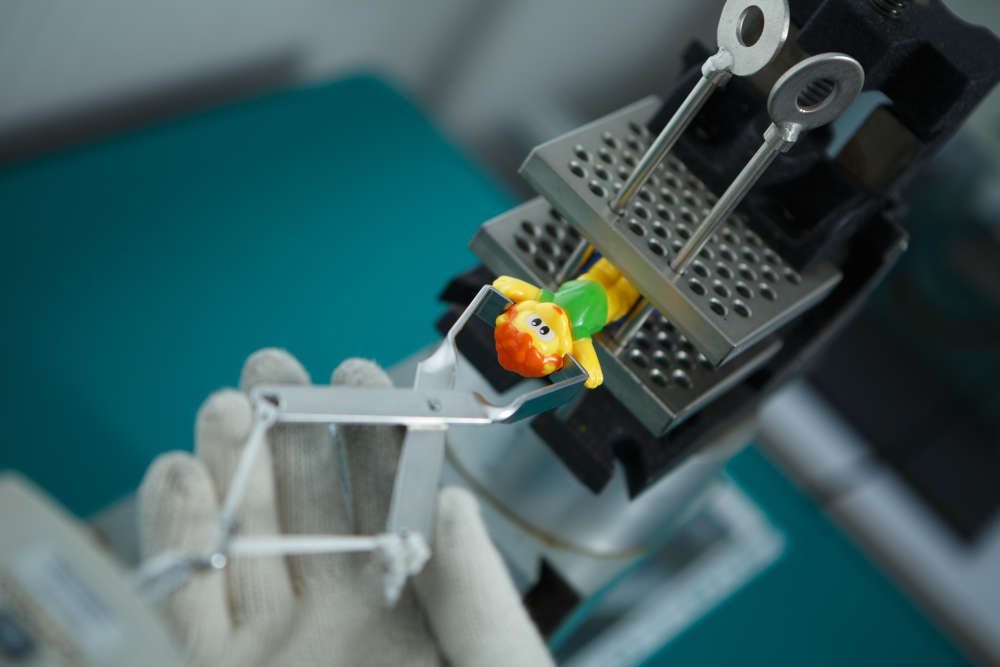
When shopping for shredding toy cars, prioritize products with enclosed mechanisms that prevent finger access during operation. Look for models where the shredding chamber remains completely covered while in use, with feeding slots narrow enough to block small hands but wide enough for standard toy cars. The Consumer Product Safety Commission recommends avoiding any shredding toy cars with visible moving parts for children under age 4.
Verify that shredding toy cars meet ASTM F963 safety standards—the gold standard for toy safety in the United States. These certified products undergo rigorous testing for mechanical hazards, chemical composition, and structural integrity. Pay special attention to choking hazard warnings; even if products claim to be “shredder-safe,” inspect whether the resulting fragments could pose risks for younger siblings.
Durability matters significantly with shredding toy cars since the core mechanism experiences constant stress. Opt for models with reinforced gears and impact-resistant plastics rather than thin, brittle components. Brands that offer replacement parts demonstrate confidence in their product’s longevity, while those selling only disposable units often compromise on safety and construction quality.
Age-Appropriate Shredding Toy Car Systems
For toddlers (18-36 months), select shredding toy cars with simple push-through designs that don’t actually destroy vehicles. These feature satisfying “crunch” sounds without producing small fragments, often using spring-loaded mechanisms that pop cars out slightly altered but intact. Bright colors and familiar characters help engage this age group while minimizing safety concerns.
Preschoolers (3-5 years) can handle more complex shredding toy cars with hand-cranked mechanisms that visibly transform vehicles. Look for models with transparent chambers allowing observation of the shredding process, which enhances learning potential. At this stage, products that incorporate sorting elements—where shredded pieces get categorized by color or shape—add educational value while maintaining engagement.
Early elementary children (5-7 years) benefit from shredding toy cars that integrate with larger play systems. Consider sets that connect to conveyor belts, recycling plants, or demolition sites, allowing narrative expansion. Battery-operated models become appropriate here, but always choose those with safety cutoffs that stop operation when obstructions occur.
Transforming Shredding Toy Cars into Learning Opportunities
STEM Concepts Hidden in Destruction Play
Shredding toy cars naturally introduces physics principles when you ask targeted questions during play. “Why do you think the red car went through faster than the blue one?” encourages observation of variables like weight and shape. Count shredded pieces to practice basic math, or time how long different cars take to process for early data collection skills. These conversations transform destruction into discovery without diminishing the fun factor.
Create simple experiments using your shredding toy cars to explore scientific concepts. Test whether heavier cars shred differently than lighter ones, or see how varying the angle of entry affects the shredding process. Document findings in a “shredder journal” with drawings and simple charts—this builds scientific methodology skills while giving purpose to the destruction. Many parents report unexpected engagement with reluctant learners when concepts emerge through this hands-on play.
Building Emotional Intelligence Through Controlled Destruction
Shredding toy cars provides a safe container for processing big emotions when framed appropriately. When your child seems frustrated, suggest, “Let’s shred this car for the angry feelings.” This gives physical expression to emotions while maintaining boundaries—only designated toy cars get shredded, never people or pets. Afterward, discuss how the shredding helped manage those feelings, building emotional vocabulary.
Create narratives where shredded toy cars transform into something new and better—”These pieces will become a race car track!” This metaphor teaches resilience and adaptation, showing that destruction can lead to positive creation. Children who understand that shredding toy cars represents temporary transformation rather than permanent loss develop healthier attitudes toward change and loss in real life.
Critical Safety Steps Before Every Shredding Session
Establishing Shredding Zones and Rules
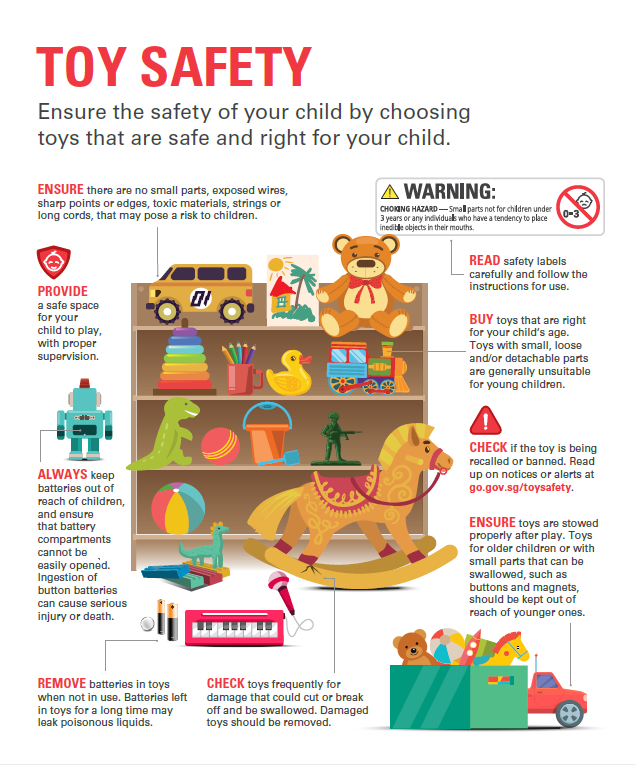
Designate a specific “shredding zone”—a smooth, hard-surface area easy to clean after sessions. Use play mats with raised edges to contain fragments, and never allow shredding toy cars on carpet where small pieces become nearly impossible to retrieve. Establish clear rules about which cars are shreddable (typically inexpensive plastic models) versus special collectibles that stay safe.
Teach the “two-finger rule” before independent play: children must keep at least two fingers away from feeding slots at all times. Practice emergency stop procedures where they immediately release the crank or power switch if anything seems wrong. For battery-operated models, keep the battery compartment secured with a screw to prevent unsupervised operation.
Set time limits for shredding sessions (15-20 minutes for preschoolers) using visible timers. Destruction play can become overstimulating, and clear boundaries help children regulate their engagement. Signal transitions with specific phrases like, “When the timer dings, we’ll do our cleanup dance before moving to puzzles.”
Immediate Cleanup Protocol for Shredded Toy Car Fragments
Implement a three-step cleanup ritual after every shredding session: 1) Use a handheld vacuum with brush attachment to capture fine particles, 2) Wipe surfaces with damp microfiber cloths to remove static-charged fragments, 3) Inspect the area with a flashlight to catch any remaining pieces. This prevents slipping hazards and choking risks from overlooked fragments.
Store shredded pieces in clearly labeled containers marked “SHREDDER MATERIAL ONLY” to prevent accidental ingestion. Many parents repurpose these containers for art projects, using the colorful plastic bits in resin crafts or as mosaic materials—this gives purpose to the fragments while keeping them safely contained. Never discard shredded toy car pieces where children might rediscover them unsupervised.
Maintaining Your Shredding Toy Car System for Longevity

Weekly Maintenance Checklist
After each use, disassemble removable components of your shredding toy car system and inspect for accumulated debris. Wipe internal mechanisms with dry cotton swabs to remove plastic dust that can interfere with moving parts. Every week, apply a pea-sized amount of food-grade silicone lubricant to gears and moving components—never use household oils that can attract more debris.
Check for wear on shredding blades or gears monthly. Slight discoloration is normal, but visible nicks or bends require manufacturer consultation. Most quality shredding toy car systems have replaceable cutting components, extending the product’s lifespan significantly. Keep original packaging for warranty claims, as shredded toy car mechanisms often have shorter lifespans than standard toys.
Store shredding toy cars with their designated vehicle fleet in separate containers to prevent mix-ups with other play sets. Consider labeling compatible cars with small dots of nail polish on the underside—this prevents accidental shredding of incompatible vehicles that might jam the mechanism.
When to Retire Shredding Toy Cars (And What to Do Next)
Shredding toy cars typically outlive their usefulness when children begin creating overly aggressive narratives that don’t respond to redirection, or when safety mechanisms show significant wear. Rather than discarding these products, consider donating them to children’s hospitals, preschools, or community centers where they’ll find new purpose. Many organizations welcome these specialized toys but require them to be in fully operational condition.
For educational transition, repurpose retired shredding toy cars into engineering projects. Older children can take apart the mechanisms to understand simple machines, or use the components to build Rube Goldberg contraptions. The shredding concept itself evolves beautifully into recycling education—visit a real recycling plant to show how material transformation works on larger scales, connecting childhood play to real-world systems.
Shredding toy cars represent more than just destructive play—they’re powerful tools for development when guided thoughtfully. By selecting appropriate products, establishing safety protocols, and expanding play value through educational integration, you transform simple destruction into meaningful growth opportunities. The satisfying crunch of a toy car entering the shredder becomes not just entertainment, but a gateway to physics concepts, emotional regulation, and creative problem-solving. When you approach shredding toy cars with intentionality, you’re not just allowing destruction—you’re building foundational skills that will serve your child long after the last plastic fragment gets swept away.