
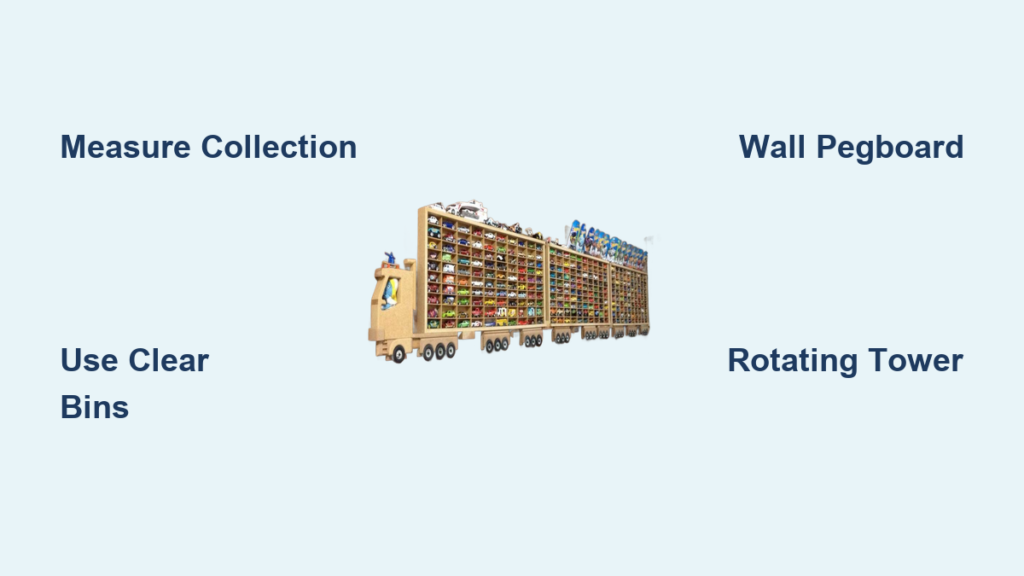
Finding effective toy car storage ideas transforms your living space from a chaotic racetrack into an organized play environment where both cars and children thrive. What begins as a small collection of Hot Wheels or Matchbox cars often multiplies into hundreds of vehicles scattered across floors, under furniture, and tucked into unexpected places. Without proper storage systems, these miniature vehicles become tripping hazards, get damaged through constant mishandling, and create daily cleanup battles that drain family energy. The right toy car storage ideas not only restore order but also enhance play value by making collections accessible, visible, and protected from damage.
Whether you’re managing a preschooler’s first dozen cars or a serious collector’s extensive fleet, this guide delivers practical storage solutions that match your specific space, budget, and collection size. You’ll discover approaches that children can manage independently, systems that grow with expanding collections, and creative options that turn storage into part of the fun rather than a chore.
Measure Your Collection Before Buying Storage

Jumping straight to purchase the first appealing storage solution often leads to mismatched systems that create more problems than they solve. Taking inventory of your specific situation prevents wasted money and ensures your toy car storage ideas actually work for your household.
Count Cars and Check Scales
Grab a notebook and physically count every vehicle in your collection—most families are shocked to discover they own far more cars than they realized. While counting, sort them by scale: standard 1:64 (Hot Wheels/Matchbox), larger 1:43, or specialty sizes. Mixing scales in the same storage system causes smaller cars to get lost among larger ones or become difficult to retrieve without disturbing the entire collection. A collection under 50 cars fits easily in drawer units or small towers, while 200+ vehicles demand multi-tiered solutions with significant vertical space.
Evaluate Storage Space Constraints
Measure the exact area where storage will live—don’t guess. A space that looks like it might fit a rotating tower may actually be 2 inches too narrow when measured precisely. Consider traffic patterns: storage in high-traffic play areas needs durable construction and rounded edges, while display storage in adult spaces can prioritize aesthetics over ruggedness. Note electrical outlets, baseboards, and other obstructions that affect placement options. This precision prevents the frustration of purchasing storage that won’t fit your actual space.
Budget-Friendly Container Storage Solutions
Simple container systems deliver maximum flexibility at minimal cost, making them ideal starter solutions for growing collections or families testing different organizational approaches.
Clear Bins with Adjustable Dividers
Transparent storage bins with customizable compartments let children see exactly where each car belongs without opening containers. Look for bins with 4-6 inch depths to prevent cars from stacking on top of each other (which causes scratching and makes specific models hard to find). Shallow bins also enable quick visual inventory—no more “I lost my blue race car!” complaints when children can see all options at a glance. Pro tip: Add colored masking tape to divider edges matching car categories (red for race cars, blue for trucks) to help pre-readers organize independently.
Stackable Parts Drawer Units
Industrial-style parts organizers designed for screws and hardware work brilliantly for toy cars. Each drawer holds 10-30 vehicles depending on size, with full pull-out access making every car visible. Stack these units vertically to grow with your collection while maintaining a small footprint. Plastic versions cost $15-$50 and withstand years of child use, while metal options ($60+) offer superior durability for serious collectors. Place these under beds or in closets for hidden storage that still allows easy access during playtime.
Repurposed Household Containers
Before spending money, audit your home for existing containers that work for car storage. Ice cube trays create perfect individual parking spots for small collections, while egg cartons organize new cars before they join the main collection. Warning: Avoid containers with deep compartments where small hands struggle to retrieve cars—this defeats the purpose of independent organization. Shoeboxes with cardboard dividers offer free, customizable storage that children can decorate themselves.
Wall-Mounted Toy Car Storage Systems
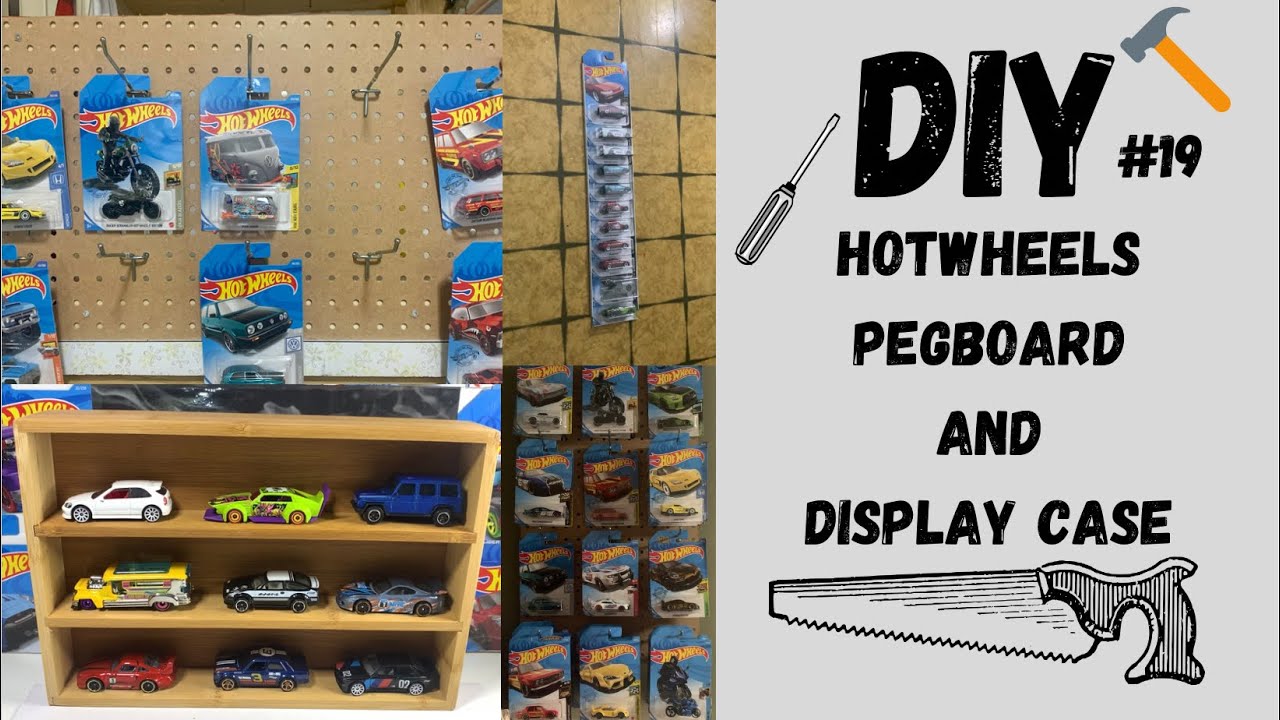
Wall solutions maximize valuable floor space while transforming collections into room features rather than clutter to hide.
Customizable Pegboard Displays
Pegboard panels ($10-$15 per sheet) provide infinitely adjustable storage that grows with your collection. Install hooks at bumper height to hang cars by their roofs, or add small shelves for display parking. Paint the board to match room decor—neutral colors let the cars provide visual interest. Start with a 2’x4′ section, then expand as needed. Expert note: Add a small lip along the bottom edge with molding to prevent cars from rolling off during play.
Picture Rail Hanging Systems
For renters or those avoiding wall damage, picture hanging rails create flexible storage without permanent installation. Mount the rail at child height using standard picture hooks, then hang cars using S-hooks ($2 each) or specialized car hangers. Some families attach magnetic strips to rails, letting metal-bodied cars hang directly. This system costs $30-$50 for a substantial display and can be disassembled when moving.
Floating Shelf Parking Garages
Install floating shelves at varying heights to create visual interest and accommodate different car sizes. Add small front lips to shelves using quarter-round molding to prevent accidental falls. Arrange cars by color, type, or brand for instant visual organization that children understand. Basic floating shelves cost $20-$40 per unit for a complete room installation. Time-saving hack: Label shelf sections with picture icons (race flag for race cars, fire truck for emergency vehicles) so pre-readers know where cars belong.
Rotating and Vertical Storage Solutions
Vertical systems maximize storage capacity while keeping entire collections visible and accessible with minimal effort.
Corner-Fitting Rotating Towers
These space-saving towers hold 30-100 cars on tiered platforms that spin to bring any vehicle within reach. The rotating design eliminates “out of sight, out of mind” problems that plague bin storage—children see and engage with their entire collection. Position these in room corners where floor space is limited but wall clearance allows vertical expansion. Basic plastic towers cost $20-$40, while wooden premium versions ($50-$150) withstand years of heavy use. Pro tip: Place frequently played cars on lower tiers and special pieces higher up.
Stackable Display Trays
Interlocking trays create customizable tower storage that grows as your collection expands. Each tray holds a layer of cars with good visibility from standing positions, and the modular design means you can reorganize trays between different collections. Look for trays with handles for easy transport during playtime. Individual trays cost $8-$15, with complete systems running $40-$100 depending on tray count. Expert note: Add non-slip shelf liner to tray bottoms to prevent cars from sliding during rotation.
Specialized Display Furniture for Serious Collectors
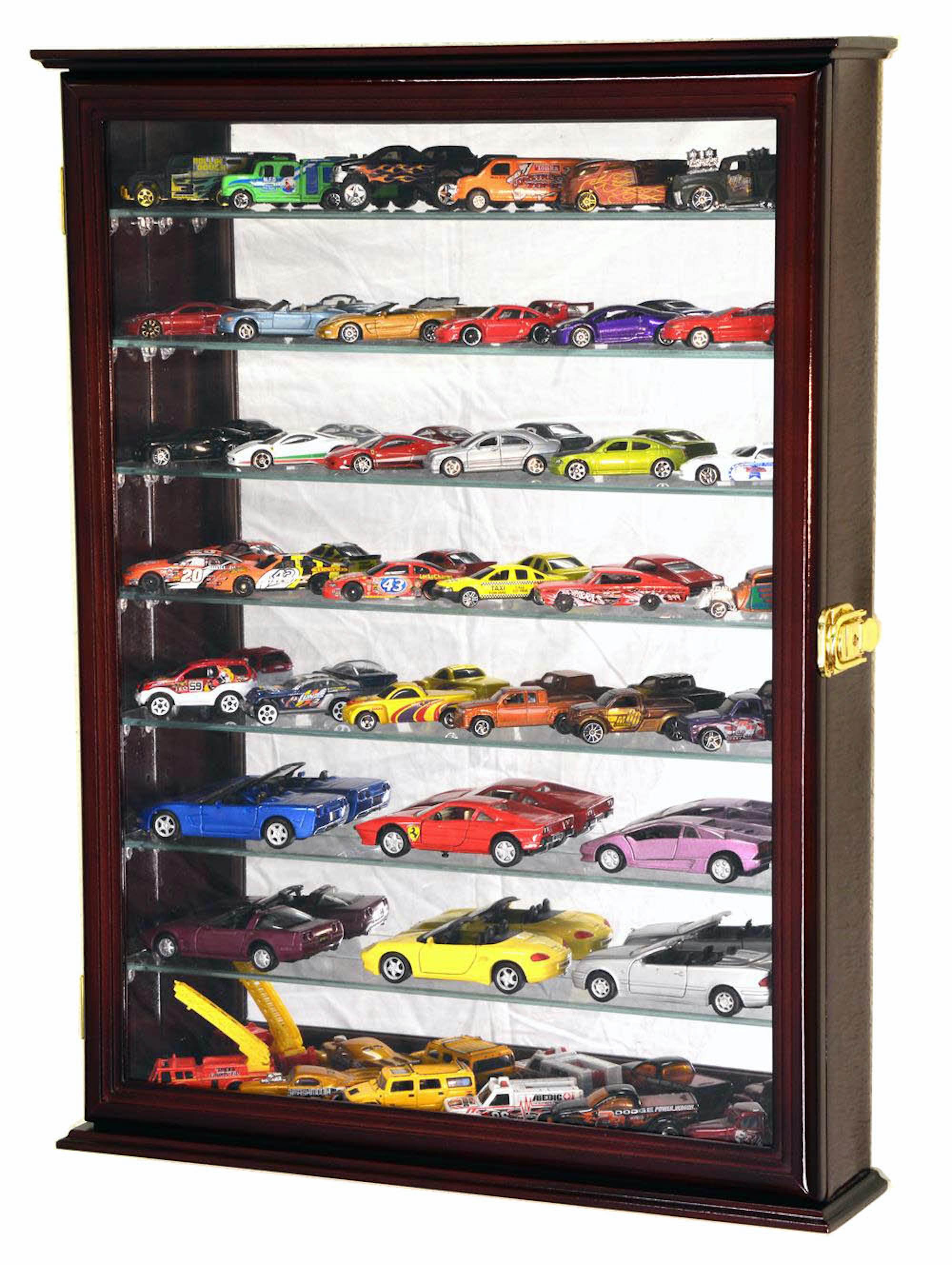
For valuable collections or families wanting storage that complements home decor, furniture-level solutions provide both function and style.
Glass-Enclosed Display Cabinets
Protect valuable or extensive collections while showcasing them beautifully in adjustable-shelf cabinets with glass doors. Position these away from direct sunlight to prevent fading, and consider lockable models for security with valuable pieces. Smaller cabinets (holding 50-100 cars) cost $100-$300, while large entertainment-center-style units run $300-$1,000+. Warning: Avoid cabinets with sharp edges or complex latches that children can’t operate independently—storage only works if kids use it.
Shadow Box Gallery Walls
Transform wall space into curated gallery displays using shadow boxes that hold one car or small group per frame. This museum-style presentation works best for limited collections or rotating displays of favorite pieces. Create a “car of the week” system that builds excitement around organization. Frame sizes range from single-car boxes ($20-$40) to multi-car displays ($50-$150). Time-saving hack: Install picture ledge systems that allow easy swapping of shadow boxes without new holes in the wall.
Maintenance Strategies for Long-Term Success
The best toy car storage ideas fail without systems children can maintain independently—organization requires ongoing habits, not just containers.
Child-Friendly Categorization Systems
Organize cars by intuitive categories children understand: vehicle type (race cars, trucks, emergency vehicles), color, or special features (cars with opening doors). Involve children in creating the system—they’ll take ownership of maintaining it. Label sections with pictures for pre-readers or simple words for emerging readers. Pro tip: Start with just 2-3 categories and expand as your child’s organizational skills develop.
Regular Collection Rotation
Store half your collection in secondary containers (under-bed bins or closet shelves), rotating which cars are in active storage monthly. This keeps play fresh, prevents forgotten favorites, and makes cleanup more manageable by reducing visible options. Children often rediscover neglected cars during rotation, reinvigorating interest in the entire collection. Expert note: Use seasonal themes for rotation—convertibles in summer, emergency vehicles during snow season.
Choose Your Perfect Storage Solution
Match your final selection to your specific circumstances for maximum success:
- For children under six: Prioritize low-mounted bins, floor-level towers, and simple shelving that children can access independently
- For collections over 200 cars: Invest in multi-tiered systems that maximize vertical space while maintaining visibility
- For rental properties: Focus on non-permanent solutions like heavy-duty command hooks and freestanding units
- For aesthetic integration: Choose cabinet displays or custom shelving that complements your home decor
The right toy car storage ideas transform chaotic collections into organized displays that children treasure and parents appreciate. Whether you implement simple bins, elaborate towers, or custom furniture, effective storage makes cleanup faster, protects valuable pieces, and keeps kids engaged with their collections for years to come—turning daily frustration into playtime joy.