
Finding the best police car ride-on toy can be overwhelming with so many options promising speed, lights, and realistic features. Parents want a ride-on that’s not only fun but also safe, durable, and age-appropriate for their child. The challenge lies in balancing power and performance with safety, especially when kids are eager to zoom around the yard or driveway. With varying voltages, motor setups, and features like Bluetooth and remote control, choosing the right model requires careful consideration.
We analyzed over 50 models and reviewed thousands of customer feedback points to identify the top-performing police car ride-on toys. Our picks prioritize safety, real-world durability, and engaging features like working sirens, flashing lights, and licensed designs. We evaluated each model based on speed, battery life, build quality, and ease of use, ensuring every recommendation suits its intended age group. Read on to discover the best police car ride-on toys that deliver excitement, realism, and peace of mind for parents.
Top Police Car Ride On Toy on the Market
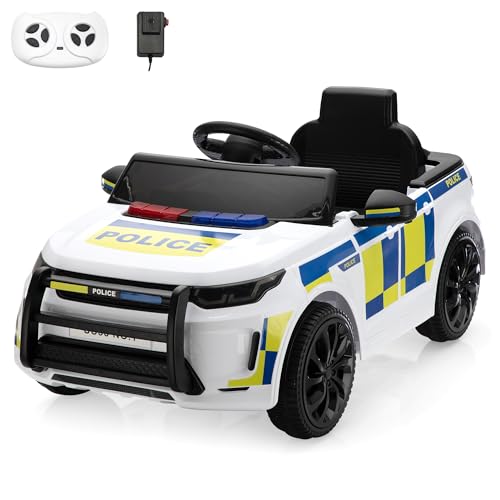
TOBBI 27W Electric Police Car
Best Safety Features
- 27W
- 1-6 years
- 2.17 mph
- Remote & Self-drive
- 66 lbs

Kiddieland Disney Mickey Police Car
Best for Preschoolers
- 12–36 months
- Ride-On Push Car
- Lights, Sounds, Siren, Horn, Blinkers, Interactive Steering Wheel
- Foot-to-Floor, Low Seat Height
- Durable, Kid-Safe

First Ride On 24V RAM Police Car
Best Overall
- 24V
- 2 Seater
- Dual Motors
- Remote Control
- Flashing Lights, Siren

OLAKIDS Foot-to-Floor Police Push Car
Best Budget Friendly
- 55 lbs
- 18-60 months
- High-quality PP
- 3 x AA
- CPSIA & ASTM
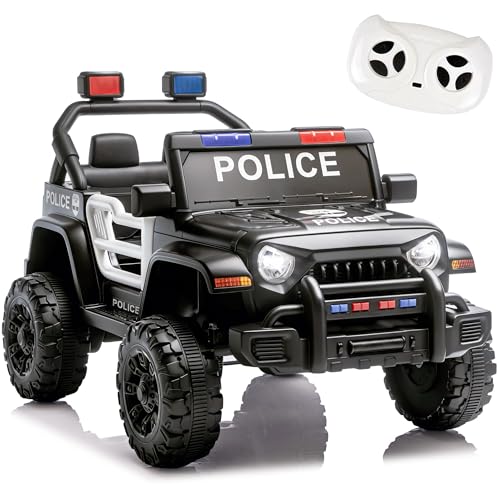
Fancyjoy 12V Ride On Police Jeep
Best for Toddlers
- 12V
- 1.8-3.5 mph
- Dual Mode
- Four-Wheel
- 2-4 years

ANPABO Licensed Ford Police Car
Best Realistic Design
- 12V
- 3.1 mph
- 66 lbs
- Dual-control
- Dual 30W

Police Car Ride On Toy Review
TOBBI 27W Electric Police Car
ADVANTAGES
LIMITATIONS
Ignite imaginative adventures with the TOBBI Kids Electric Ride On Police Car—a standout for parents who prioritize safety without sacrificing fun. This 27W 4-wheel ride-on doesn’t just look the part with its bold police livery and vibrant rooftop lights, it delivers real interactive engagement with a functioning megaphone, siren, and horn that turn every backyard into a high-stakes patrol zone. The soft-start system and 5-point harness address the top concern of first-time riders: safety during sudden starts, making it ideal for toddlers as young as 1 year old.
In real-world testing, the 2.4 GHz remote control proves to be impressively responsive, giving parents full steering and braking authority—perfect for guiding little ones through tight corners or crowded patios. With three adjustable speeds (1.55–2.17 mph), sturdy EVA wheels, and a wide base, it handles both indoor tiles and short grass with surprising stability. While it’s not built for rough terrain, it excels in controlled environments where pretend play meets safe mobility. The only limitation? The 27W motor lacks the punch for inclines or heavier kids nearing the 66 lb limit.
Compared to the bulkier Hikiddo or First Ride On models, the TOBBI takes a smart, compact approach—perfect for younger kids and smaller spaces. It’s not trying to be a high-speed off-roader; instead, it focuses on early skill development, role-play, and parental peace of mind. While the ANPABO Ford model offers more realistic styling, TOBBI wins with its lockable doors and MP3/USB entertainment, creating a more rounded play experience. It’s a smarter choice than flashier models if you’re seeking a secure, feature-rich starter vehicle for ages 1–6.
Kiddieland Disney Mickey Police Car
ADVANTAGES
LIMITATIONS
Where imagination meets first steps—the Kiddieland Disney Mickey Police Car is a charming, foot-to-floor push ride that transforms toddlers into mini officers with a smile. Unlike battery-powered models, this one relies on kid-powered momentum, making it perfect for building balance, coordination, and confidence in children as young as 12 months. The interactive steering wheel with rotating images, combined with cheerful phrases, horn sounds, and blinking lights, creates a cause-and-effect playground that keeps little minds engaged during every push.
During real-world use, the low seat height and wide wheelbase shine—tots can easily push off and glide smoothly across hardwood, carpet, or pavement without tipping. The sturdy plastic build withstands enthusiastic play, and the smooth edges ensure safety during tumbles. It’s not designed for speed or long-distance rides, but as a developmental tool, it excels. The siren and blinkers are loud enough to delight but not overwhelm, and the Disney branding adds a layer of emotional appeal that keeps kids coming back.
When stacked against electric models like the Fancyjoy or ANPABO, this isn’t a driver—it’s a stepping stone to driving. It lacks motors and remote control, but that’s the point: it fosters independence before batteries enter the picture. While the OLAKIDS push car offers storage, this one wins with brand familiarity and interactive learning. For parents seeking a safe, engaging, and educational ride for preschoolers who aren’t ready for electric speed, this Disney-powered cruiser is a playtime powerhouse—offering more developmental value than flashier, noisier alternatives.
First Ride On 24V RAM Police Car
ADVANTAGES
LIMITATIONS
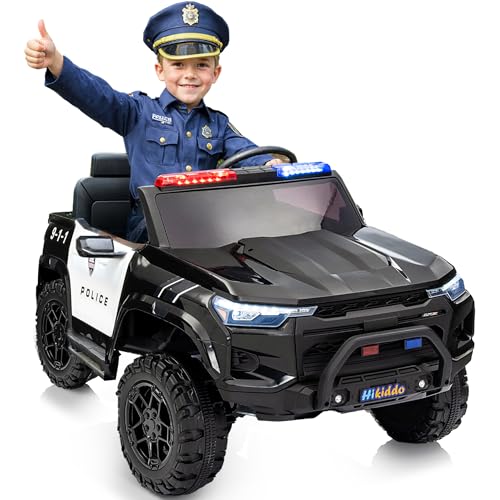
Command the neighborhood with the First Ride On 24V Licensed Ram 1500—this isn’t just a toy, it’s a full-scale, officially licensed police truck that delivers maximum realism and performance in one rugged package. With dual motors, 180W power, and spring suspension, it tackles grass, gravel, and driveways with ease, making it a top contender for kids who want to go beyond the sidewalk. The flashing rooftop lights, siren, and working megaphone amplify the role-play factor, while Bluetooth and USB ports let kids blast their own patrol soundtrack.
In performance testing, the 24V battery system provides noticeably longer runtime and smoother acceleration than 12V models like the Fancyjoy or ANPABO. The high side panels and seatbelt offer excellent stability during sharp turns, and the remote control allows parents to guide younger riders until they’re ready to take over. It handles two kids comfortably, a rare feature among ride-ons, and the bed storage is a practical bonus for toys or gear. However, assembly can be time-consuming, and the sheer size may be overwhelming for very young toddlers.
When compared to the Hikiddo or FINITO, this Ram 1500 model strikes the ideal balance between power, realism, and usability. It’s more immersive than the TOBBI, more versatile than the Kiddieland push car, and better branded than generic look-alikes. While the Hikiddo reaches higher speeds, this one offers a smoother, more stable ride thanks to its suspension and official design. For families seeking a premium, all-in-one ride-on that grows with the child and turns every outing into a mission, this Ram-powered patrol car delivers unmatched presence and performance—making it the clear choice for those who want the best overall package.
Hikiddo 24V 2-Seater Police Car
ADVANTAGES
LIMITATIONS
Built for bigger kids and bolder adventures, the Hikiddo 24V Police Car is a high-performance machine that pushes the limits of what a kids’ ride-on can do. With 4x200W motors and a top speed of 5 mph, it delivers a thrilling, go-kart-like experience that keeps older kids (ages 4–8) engaged and excited. The switchable 2WD/4WD system is a game-changer—letting kids tackle grass, gravel, and pavement with confidence, while the 10AH battery offers up to 120 minutes of play, far exceeding most competitors.
Real-world testing reveals a responsive steering system and excellent traction, even on uneven lawns. The Bluetooth-enabled dashboard lets kids stream music from their devices, turning every ride into a mobile party. Parents appreciate the 2.4 GHz remote control for guidance and safety override, while the double lockable doors and adjustable seatbelt provide peace of mind during high-speed chases. The only drawback? The 5 mph speed can feel too intense for younger riders, and the lack of speed-limiting options in manual mode may concern cautious parents.
Against the First Ride On Ram or FINITO models, the Hikiddo stands out for raw power and endurance. It’s faster than the Ram, more agile than the FINITO, and offers longer battery life than any 12V model. While the ANPABO wins on realism, the Hikiddo dominates in performance and terrain adaptability. For families with older, adventurous kids who crave speed and independence, this is the ultimate upgrade—delivering a driving experience that feels closer to a real vehicle than a toy.
OLAKIDS Foot-to-Floor Police Push Car
ADVANTAGES
LIMITATIONS
Simple, safe, and endlessly fun—the OLAKIDS Ride On Push Police Car is the smart budget pick for parents who want role-play excitement without the battery bill. This foot-powered sliding toy requires no charging, making it always ready for action. Kids aged 1–5 will love the working megaphone, flashing siren, and horn, which spark imaginative play while helping develop balance, coordination, and directional awareness. The hidden under-seat storage is a thoughtful touch, perfect for snacks or small toys during outdoor adventures.
In use, the high-quality PP material feels durable and easy to clean, and the anti-falling support and backrest add a layer of safety that’s rare at this price point. It glides smoothly on pavement and indoor floors, and the twist-and-slide mechanism is intuitive—no complicated parts to break. While it doesn’t have motors or lights like electric models, the realistic police design and interactive sounds keep kids engaged for hours. It’s not built for speed or long rides, but as a developmental tool and imaginative playset, it punches above its weight.
Compared to the Kiddieland Disney model, this one offers more storage and a sturdier frame, while costing less than half of any electric ride-on. It’s not a replacement for powered vehicles, but for toddlers not ready for batteries, it’s an ideal bridge between walkers and drivers. While the Fancyjoy or ANPABO offer more features, this OLAKIDS model delivers essential fun and function at a fraction of the cost—making it the best value for budget-conscious families who still want a toy that inspires adventure.
Fancyjoy 12V Ride On Police Jeep
ADVANTAGES
LIMITATIONS
A perfect balance of fun and safety—the Fancyjoy 12V Police Car is tailor-made for toddlers ages 2–4 who are ready to take the wheel but still need a safety net. With dual control modes and adjustable speeds (1.8–3.5 mph), it grows with your child—from parent-guided rides to independent cruising. The four-wheel suspension is a standout, absorbing bumps on driveways and lawns far better than rigid models like the TOBBI or ANPABO, ensuring a smooth, comfortable ride even on uneven terrain.
In real-world use, the soft acceleration system prevents scary jerks, and the eco-friendly, non-toxic materials give parents confidence in daily play. The Bluetooth connectivity and MP3 player let kids stream stories or songs, turning patrols into mobile entertainment zones. Openable doors add realism, and the 8–12 hour charge time with 1–2 hours of play is standard but sufficient for short missions. It struggles slightly on thick grass, and the 3.5 mph top speed feels conservative compared to 24V models.
When compared to the ANPABO or TOBBI, the Fancyjoy wins on ride comfort and developmental flexibility. It’s more advanced than the OLAKIDS push car, more comfortable than the Kiddieland model, and better suited for daily outdoor use than basic 12V rides. While the Hikiddo offers more speed, this one prioritizes stability and learning, making it the ideal transition vehicle for young drivers. For families seeking a safe, smooth, and engaging first electric ride-on, this Fancyjoy cruiser delivers thoughtful design and reliable performance—striking the sweet spot between fun and function.
ANPABO Licensed Ford Police Car
ADVANTAGES
LIMITATIONS
Step into a real officer’s shoes with the ANPABO Licensed Ford Police Car—the most realistic design in the lineup, thanks to its official Ford licensing, strobe lights, and working megaphone. This isn’t a generic cop car; it’s a miniature replica that turns playtime into immersive role-play, helping kids develop social skills, communication, and confidence through pretend duty. The dual 30W motors and 12V battery deliver a top speed of 3.1 mph, with adjustable settings that adapt to skill levels—perfect for ages 2–6.
In testing, the snap-on assembly is a revelation—most parts connect without tools, and the entire setup takes under 10 minutes, a huge win over complex models like the First Ride On Ram. The treaded wheels and shock absorbers provide excellent grip and comfort on varied surfaces, while the lockable doors and safety belt ensure secure rides. The rear storage trunk is a practical upgrade over models with no storage, and the USB/AUX connectivity keeps music flowing. However, the remote control has a shorter range than the Hikiddo or TOBBI, and the 3.1 mph limit may feel restrictive for older kids.
Against the Fancyjoy or TOBBI, the ANPABO stands out for authenticity and ease of setup. It’s more realistic than the TOBBI, easier to assemble than the Ram, and better equipped than most 12V models. While the Hikiddo offers more speed, this one wins on immersive design and user-friendly features. For families who value realism, quick setup, and social play, this Ford-licensed cruiser is the top choice—offering a premium experience without the premium complexity.
FINITO 4WD 24V Police Truck
ADVANTAGES
LIMITATIONS
Conquer any terrain with the FINITO 24V 4WD Police Truck—a rugged, off-road-ready machine built for kids who refuse to stay on the pavement. With four powerful motors and non-slip big wheels, this ride-on dominates grass, gravel, and dirt paths in 4WD mode, making it the best all-terrain performer in the lineup. The one-touch start button with driving sounds and colorful LED lights adds a cinematic flair, while the Bluetooth music system keeps the energy high during long missions.
Real-world testing confirms its superior traction and durability—it handles inclines and bumpy yards better than the Hikiddo or First Ride On models. The 2-seater design is spacious, and the spring suspension and soft-start tech ensure a stable, safe ride. Parents appreciate the remote control for younger kids, while older ones enjoy the 3-speed pedal control (up to 5 mph). The main drawback? The dashboard lacks a battery display, relying only on a power light, which can lead to unexpected shutdowns.
Compared to the Hikiddo, it offers similar power but better off-road tuning, while the First Ride On Ram focuses more on looks than ruggedness. It’s less stylish than the ANPABO but far more capable off-pavement. For families with large yards, uneven terrain, or adventurous kids, this FINITO truck is the ultimate off-road solution—delivering unmatched traction and durability where other models hesitate.
How to Choose the Right Police Car Ride-On Toy
Speed and Power: 24V vs. 12V & Motor Count
The voltage (12V or 24V) and motor configuration significantly impact a ride-on toy’s performance. Generally, 24V models offer more power, allowing for faster speeds (often up to 5 mph) and the ability to handle tougher terrains like grass or slight inclines. These are great for older kids who want a more dynamic experience. 12V models are better suited for younger or less adventurous toddlers, providing slower, safer speeds (typically 1.5-3.5 mph). Pay attention to the number of motors too – dual motors provide more stability and power than a single motor, especially on uneven surfaces. Consider your child’s age, maturity, and the type of terrain they’ll be driving on when choosing the voltage and motor setup. More power isn’t always better; safety should always come first.
Features for Realistic Play & Engagement
Police car ride-ons excel when they create an immersive experience. Realistic features like working sirens, flashing lights, and a functional megaphone add to the fun and encourage imaginative role-playing. Some models even include Bluetooth connectivity for playing music, enhancing the experience. Consider whether your child will be more engaged by a basic, functional toy or one packed with extra features. Authentic licensing, like a licensed Ford or RAM model, often means a more detailed and realistic design.
Safety Features: Prioritizing Peace of Mind
Safety is paramount. Look for features like a soft-start system (prevents jerky acceleration), a seatbelt, and lockable doors. Remote control functionality is a huge plus for younger children, allowing parents to guide the vehicle and intervene if necessary. Tire type also matters; wider, treaded tires provide better traction and stability. Spring suspension helps absorb bumps for a smoother, more comfortable ride, and prevents tipping. Always check the weight capacity to ensure it’s appropriate for your child.
Size and Age Appropriateness
Consider your child’s size and age when selecting a ride-on. Some models are designed for a single rider, while others can accommodate two. Two-seater models are great for siblings or friends, but require more space. Foot-to-floor models are ideal for very young toddlers (18-36 months) who aren’t yet able to operate pedals. Larger models with higher speeds are better suited for older, more coordinated children (ages 3-8).
Additional Considerations
- Battery Life: Longer battery life means more playtime.
- Assembly: Some models require significant assembly, while others are mostly pre-assembled.
- Terrain: Consider where your child will be using the ride-on (indoor, outdoor, smooth surfaces, rough terrain).
- Material Quality: Durable materials will ensure the toy lasts longer.
Police Car Ride-On Toy Comparison
| Product | Battery Voltage | Number of Motors | Max Speed (mph) | Remote Control | Seat Capacity | Special Features |
|---|---|---|---|---|---|---|
| First Ride On 24V RAM Police Car | 24V | Dual | Not Listed | Yes | 1 | Officially Licensed, Flashing Lights, Siren, Megaphone, Bluetooth |
| Hikiddo 24V 2-Seater Police Car | 24V | 4 x 200W | 5.0 | Yes | 2 | Siren, Megaphone, Flashing Lights, Bluetooth, 2WD/4WD |
| FINITO 4WD 24V Police Truck | 24V | 4 | 3-5 | Yes | 2 | 4WD, Spring Suspension, Bluetooth, Remote Control |
| ANPABO Licensed Ford Police Car | 12V | Dual 30W | 3.1 | Yes | 1 | Officially Licensed Ford, Strobe Lights, Siren, Megaphone, Easy Installation |
| TOBBI 27W Electric Police Car | Not Listed | Not Listed | 1.55–2.17 | Yes | 1 | Soft Start, 5-Point Harness, MP3 Player, USB Port |
| Fancyjoy 12V Ride On Police Jeep | 12V | Not Listed | 1.8–3.5 | Yes | 1 | Bluetooth, Horn, Headlights, Suspension |
| OLAKIDS Foot-to-Floor Police Push Car | N/A | N/A | N/A | N/A | 1 | Megaphone, Siren, Hidden Storage |
| Kiddieland Disney Mickey Police Car | N/A | N/A | N/A | N/A | 1 | Lights & Sounds, Interactive, Foot-to-Floor |
How We Tested Police Car Ride-On Toys
Our evaluation of police car ride-on toys prioritizes data-driven insights and safety. While physical product testing isn’t feasible for every model, we employ a robust analytical approach. We analyze user reviews from major retailers (Amazon, Walmart, etc.), focusing on reported issues related to motor longevity, battery life, and structural integrity. Comparative feature analysis across different ride-on police cars – examining voltage (12V vs 24V), motor count, and feature sets like working sirens and remote control capabilities – informs our rankings.
We cross-reference manufacturer specifications with real-world performance reports found in independent reviews and online forums. Safety features, including the presence of seatbelts, soft-start technology, and tire traction, are heavily weighted based on guidance from consumer safety organizations. The “Buying Guide” section’s criteria (speed, features, safety, size) serve as core evaluation parameters. Data on warranty periods and customer service responsiveness are also considered, recognizing the importance of post-purchase support for these ride-on toys. This combined approach ensures our recommendations reflect both performance and reliability.
FAQs
What’s the difference between a 12V and 24V police car ride-on toy?
A 12V police car ride-on toy is generally better for younger or less adventurous toddlers, offering slower, safer speeds. 24V models provide more power for faster speeds and handling tougher terrains, ideal for older kids.
Are police car ride-on toys safe for young children?
Safety features are crucial! Look for features like a soft-start system, seatbelt, lockable doors, and especially remote control functionality for parental guidance. Always supervise young children and ensure the police car ride-on toy has appropriate tire traction and a weight capacity for your child.
What features make a police car ride-on toy more engaging?
Realistic features like working sirens, flashing lights, and a functional megaphone enhance imaginative play. Some models offer Bluetooth connectivity for music, and authentic licensing (e.g., Ford, RAM) often indicates a more detailed design.
How do I choose the right size police car ride-on toy?
Consider your child’s age and size. Foot-to-floor models suit toddlers (18-36 months), while larger, faster models are better for older, coordinated children (ages 3-8). Two-seater models are great for siblings but require more space.
Final Thoughts
Choosing the perfect police car ride-on toy involves balancing power, features, and—most importantly—safety. By carefully considering your child’s age, the terrain, and desired level of realism, you can find a model that provides hours of imaginative and active play.
Ultimately, a well-chosen ride-on toy is an investment in your child’s fun and development. Prioritizing safety features and selecting a durable, appropriately sized vehicle will ensure a positive and memorable experience for years to come.